 By admin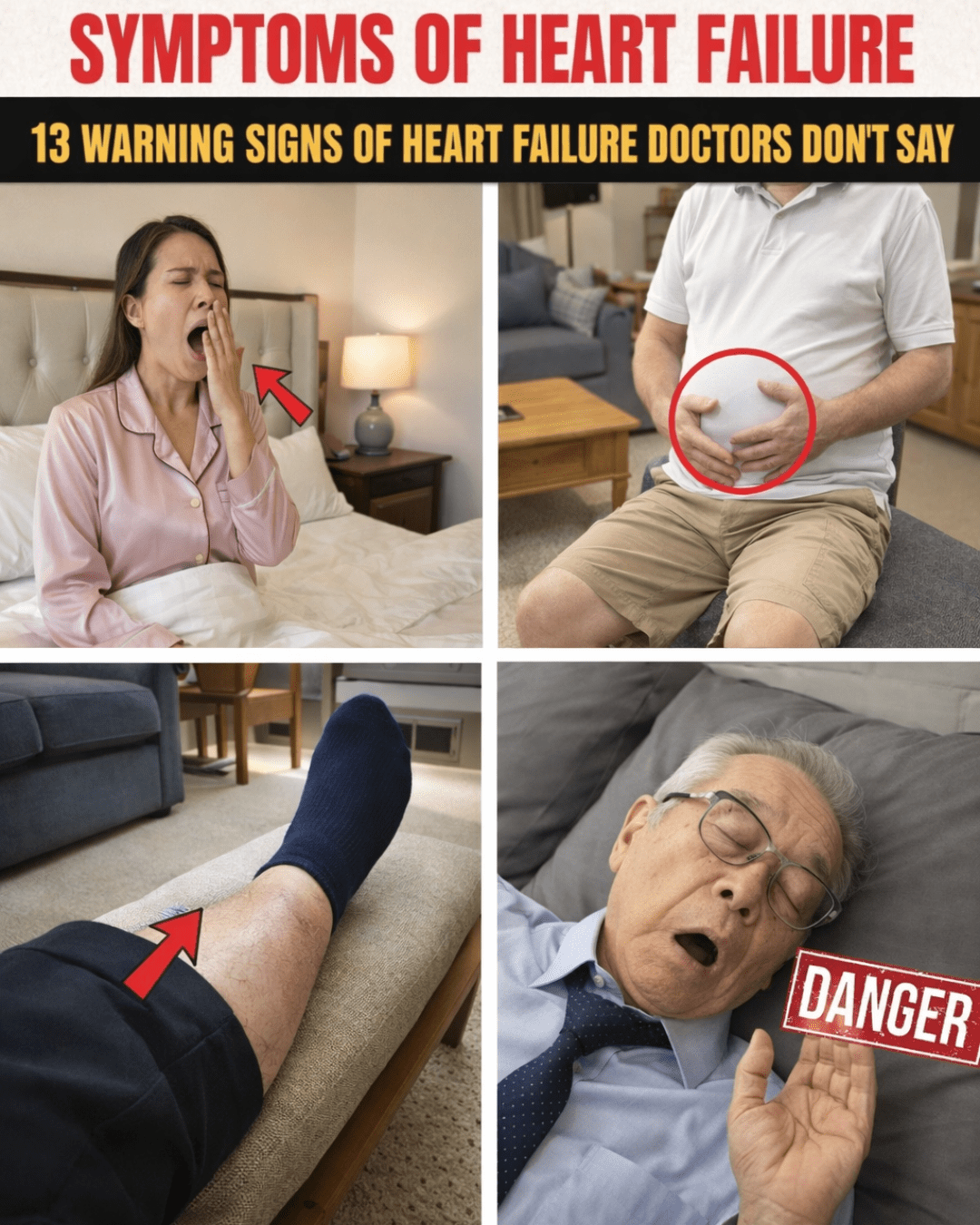
You go about your day feeling a little more tired than usual, or your shoes feel tighter by evening, and you tell yourself it’s just part of getting older or being a bit out of shape. These small changes build slowly, so quietly that you adapt without a second thought. But what if those everyday annoyances are your heart quietly struggling to keep up? Heart failure affects over 6 million Americans, and research from the American Heart Association shows many cases are caught late because early signs are brushed off as normal aging or stress. The good news is recognizing these subtle clues early can lead to timely medical attention and better management.
In this article, you’ll learn the 13 early warning signs that often appear months or even years before more serious problems arise. By the end, you’ll have a clear checklist to monitor your own body — and one simple daily habit that could make a real difference in protecting your heart health.

Why These Signs Are So Easy to Miss
Heart failure develops gradually as the heart’s ability to pump blood efficiently weakens. Fluid can build up, oxygen delivery drops, and the body compensates in ways that feel minor at first.
Studies indicate that over 70% of cases are diagnosed at advanced stages partly because people attribute symptoms to lifestyle factors like extra weight, poor sleep, or busy schedules. The American Heart Association emphasizes that these changes creep in slowly, allowing us to adjust without noticing the underlying issue.
But here’s the encouraging part: paying attention now can prompt earlier conversations with your doctor, when interventions are often simpler and more effective.
The 13 Early Warning Signs of Heart Failure
These signs are drawn from trusted sources like the American Heart Association and Mayo Clinic. They’re listed from more commonly noticed to those that surprise most people.
13. Shortness of Breath During Everyday Activities
Even light tasks like walking to the mailbox or climbing a few stairs leave you winded. Known as exertional dyspnea, this happens because the heart struggles to deliver enough oxygen-rich blood during movement. Many blame it on being “out of shape,” but it’s often one of the first clues.

12. Needing More Pillows to Sleep Comfortably (Orthopnea)
You start with one pillow, then add another, until you’re propped up or sleeping in a recliner. When lying flat, gravity pulls fluid into the lungs if the heart can’t pump it away efficiently. Research shows this affects a significant portion of people with heart failure.
11. Waking Up Gasping for Air at Night (Paroxysmal Nocturnal Dyspnea)
You jolt awake feeling like you can’t breathe, often rushing to sit up or open a window. Fluid that pooled in the legs during the day shifts back to the lungs at night. This alarming episode drives many to the ER, yet it’s frequently dismissed as a bad dream or sleep apnea.
10. Persistent Fatigue That Rest Doesn’t Relieve
You get a full night’s sleep but still feel exhausted by midday. Daily activities feel draining. The heart isn’t circulating enough oxygenated blood to muscles, leading to profound tiredness that can appear early on.
9. Swelling in the Ankles, Feet, or Legs (Edema)
Your socks leave deep indentations, and shoes feel snug after sitting. This “pitting edema” occurs when fluid backs up in the veins and the body retains extra water. Press your shin for a few seconds — if the dent lingers, it’s worth noting.
8. Sudden Weight Gain from Fluid (Not Fat)
The scale jumps 3–5 pounds in a few days, and rings or shoes feel tighter. Each 2–3 pounds often reflects about a liter of retained fluid the heart can’t move. The American Heart Association highlights this as a key early alarm.
7. Frequent Nighttime Urination (Nocturia)
You’re up multiple times after midnight to use the bathroom, and it started recently. Gravity holds fluid in the legs during the day; at night, it returns to the kidneys. Often blamed on aging or prostate issues, it can be an early heart-related sign.

6. Dry Cough or Wheezing When Lying Down
A cough or wheeze appears only in bed but eases when sitting up. Fluid in the lungs triggers it. In some cases, it may produce pink-tinged mucus — a more urgent indicator.
5. Heart Palpitations or Irregular Beats
Your heart flutters, races, or feels like it skips even at rest. A weakened heart may develop rhythms like atrial fibrillation to compensate, creating a cycle that worsens over time.
4. Dizziness or Lightheadedness When Standing Quickly
The room spins or you feel faint upon rising. The heart can’t quickly adjust blood pressure to the brain. Up to 20% of people experience this before diagnosis.
3. Bloating, Reduced Appetite, or Feeling Full Quickly
Your abdomen feels swollen, clothes fit tightly at the waist, and small meals satisfy you. Reduced blood flow to digestion and possible fluid buildup in the abdomen or liver cause this. Many consult gastroenterologists first.
2. Shortness of Breath When Bending Over (Bendopnea)
Tying shoes or leaning forward brings breathlessness within seconds. Identified in studies around 2014, this specific sign correlates with elevated heart pressures and is a strong indicator of strain.
1. Cold Hands and Feet, Even in Warm Weather
Extremities stay chilly, sometimes looking pale or slightly blue. The body redirects blood to vital organs, leaving hands and feet cooler. Paired with narrow pulse pressure on readings, it’s a subtle but telling clue.
Here’s a quick comparison table of common misinterpretations:
| Early Sign | What Most People Think | What It Could Actually Indicate |
|---|---|---|
| Shortness of breath walking | “I’m out of shape” | Heart can’t supply oxygen on demand |
| Needing extra pillows | “I sleep better propped up” | Fluid backing up into lungs when flat |
| Sudden weight gain | “Holiday eating” | Excess fluid the heart can’t move |
| Waking gasping at night | “Bad dream” | Lungs filling with fluid |
| Cold hands/feet | “Poor circulation from age” | Body prioritizing vital organs |
| Bend over → can’t breathe | “Never noticed before” | Markedly elevated heart pressures |

Two Real-Life Examples That Highlight the Importance of Listening Early
Sarah, 58, joked about sleeping propped up for years. Six months after her symptoms worsened, she ended up in intensive care with advanced heart failure. With early medication and adjustments, she’s now enjoying an active life with added healthy years.
Mike, 64, saw a sudden 7-pound gain and blamed holiday meals. His family’s insistence led to a check-up that caught his condition early. Today, he’s hiking with grandkids and credits that scale jump for changing everything.
What You Can Do Right Now: Simple Monitoring Steps
You don’t need fancy equipment — just consistency. These safe habits can help spot patterns.
- Weigh yourself daily — Every morning after the bathroom, before eating, on the same scale and in similar clothes. Note any jump of 3+ pounds in a day or 5+ in a week — contact your doctor promptly.
- Check for sock indentations — In the evening, see if socks leave deep marks that last minutes. Mention persistent ones at your next visit.
- Track symptoms for two weeks — Use a notebook or phone app to log shortness of breath, pillow needs, nighttime bathroom trips, energy levels, and any bending issues. Patterns provide valuable info for your doctor.
- Schedule a check-up — Bring your log. Simple tests like blood work (including BNP levels), an echocardiogram, or chest X-ray can reveal issues early.
Daily Monitoring Checklist
- Morning weight: Daily — Red flag: ↑3 lb in 1 day or ↑5 lb in a week
- Sock/shoe indentations: Evening — Red flag: Dent stays >10 seconds
- Number of pillows needed: Nightly — Red flag: Suddenly 3+ or recliner
- Nighttime bathroom trips: Nightly — Red flag: 3+ times
- Bend-over test (e.g., tie shoes): Daily — Red flag: Breathless within 30 seconds
You Have the Power to Act Today
Heart failure doesn’t always mean drastic changes — early awareness often leads to manageable steps like medication tweaks, gentle activity, or dietary adjustments that support heart function for years. Delaying only makes management harder.
You’ve now got the tools to listen to your body. Start with one item from the checklist this week. Your heart works tirelessly for you — give it the attention it deserves.
Frequently Asked Questions
What is the earliest sign of heart failure?
Shortness of breath during routine activities often appears first, followed by fatigue and swelling. Many people notice these subtly over months.
Can heart failure symptoms come and go?
Yes, symptoms can vary day to day or worsen with activity, salt intake, or stress. Consistent tracking helps identify trends.
How is heart failure typically diagnosed?
Doctors use physical exams, blood tests (like BNP), echocardiograms to assess heart function, and sometimes chest X-rays or other imaging.
This article is for informational purposes only and is not a substitute for professional medical advice. Always consult your healthcare provider if you notice any concerning symptoms or before making changes to your health routine.