 By admin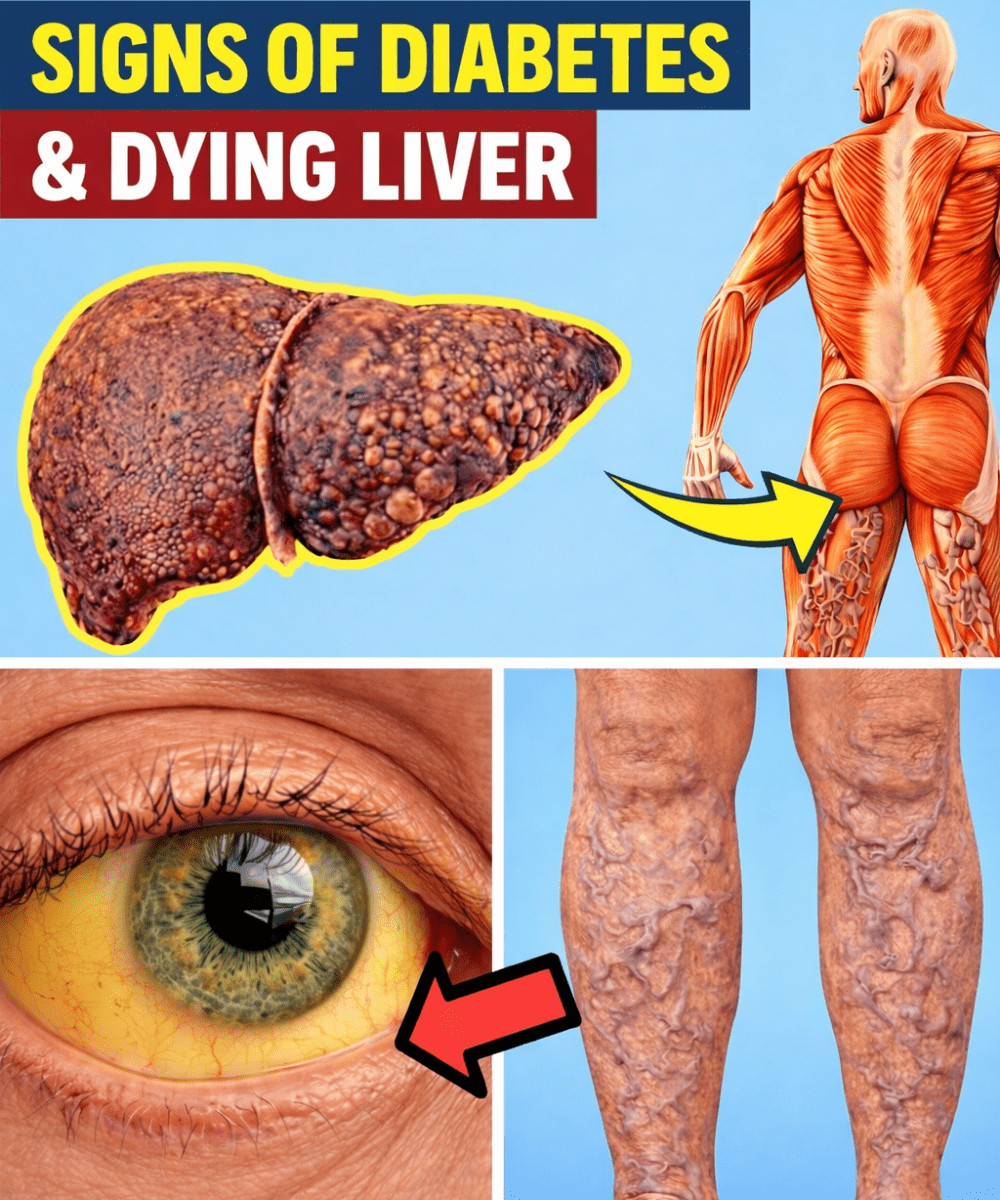
Over 4.5 million Americans live with diagnosed liver disease, and chronic liver conditions rank as the 9th leading cause of death in the US, claiming more than 52,000 lives annually. Yet most people experience no clear symptoms until the damage becomes advanced and harder to manage. You might dismiss persistent fatigue as stress, itchy skin as dry weather, or occasional swelling as a long day on your feet – but these could be quiet signals from an overworked liver. The good news? Many early changes can improve significantly with timely attention and lifestyle support. Keep reading to discover these 12 often-overlooked signs backed by medical insights – and learn simple steps that could make a real difference before it’s too late.

Why Your Liver Matters – And Why Subtle Signs Can Be Easy to Miss
Your liver works tirelessly behind the scenes, filtering toxins, processing nutrients, producing proteins, and aiding digestion. Modern factors like processed foods, alcohol, obesity, and metabolic issues can strain it over time.
Research shows non-alcoholic fatty liver disease (now called metabolic dysfunction-associated steatotic liver disease, or MASLD) affects up to 25-38% of US adults, often without noticeable symptoms at first. But ignoring subtle clues allows buildup that may lead to inflammation, scarring, or worse.
Here’s the encouraging part: The liver has an amazing ability to regenerate when supported early. Spotting these signs soon gives you a stronger chance to turn things around.
But that’s not all – let’s dive into the signs themselves.
The 12 Subtle Warning Signs of Liver Stress
These clues can appear gradually and overlap with other issues, so they’re easy to brush off. Listen to your body, though – persistent changes deserve a check-in with your doctor.
Sign #1: Easy Bruising or Tiny Red Spots on the Skin
Do minor bumps leave large bruises or notice small red dots (like tiny blood vessels) that don’t fade?
The liver produces proteins essential for blood clotting. When it’s under strain, levels can drop, making bruising more common.
Studies link this to reduced clotting factors in liver conditions. If this sounds familiar, it’s worth monitoring.

Sign #2: Swelling in the Legs, Ankles, or Abdomen
Puffy ankles by evening or shoes feeling tighter than usual?
Low levels of a protein called albumin (made by the liver) can cause fluid to leak into tissues. This edema often worsens later in the day.
Portal hypertension from liver stress can contribute too. Elevating your legs may offer temporary relief, but ongoing swelling signals a closer look.

Sign #3: Spider-Like Veins on the Skin
Red, web-like veins appearing on your chest, face, or arms?
Hormone imbalances, like excess estrogen not properly broken down, can dilate small blood vessels.
This is a classic visible clue in some liver conditions. Limiting alcohol if you notice new clusters may help.

Sign #4: Pale or Clay-Colored Stools
Stools looking unusually light gray or clay-like instead of brown?
Bile, produced by the liver, gives stool its color. Reduced flow can lighten it.
Adding fiber-rich foods supports better digestion, but consistent changes warrant discussion with a provider.
Sign #5: Persistent Itchy Skin (Especially Palms or Soles)
Intense itching without a rash, often worse at night?
Bile salts building up in the blood can irritate nerve endings.
This pruritus is frustrating and disruptive – if over-the-counter creams aren’t helping, it could point deeper.
Sign #6: Yellowing of the Skin or Eyes (Jaundice)
A yellowish tint to your skin or the whites of your eyes?
Bilirubin buildup occurs when the liver can’t process it efficiently.
This more obvious sign often appears later, but catching earlier clues can prevent progression.
You’re halfway through – great progress!

Sign #7: Overwhelming Fatigue
Constant tiredness that rest doesn’t fix?
Toxins or disrupted energy metabolism can leave you drained.
Fatigue is one of the most reported issues in liver studies – unrelieved exhaustion deserves attention.
Sign #8: Confusion or Brain Fog
Difficulty concentrating, mood changes, or mild memory lapses?
Ammonia and other toxins crossing into the brain affect clarity.
Early support can often clear this up remarkably.
Sign #9: Nausea or Loss of Appetite
Frequent queasiness or feeling full quickly?
Toxin irritation or digestive changes can upset your stomach.
This can lead to unintended weight loss if persistent.
Sign #10: Dull Ache in the Upper Right Abdomen
Discomfort or pain under your right ribs?
Liver enlargement can stretch its covering, causing ache.
It’s often subtle at first – don’t ignore if it lingers.
Sign #11: Unexplained Weight Loss
Dropping pounds without trying, tied to poor appetite?
Malabsorption or hormonal shifts play a role.
Combined with other signs, this compounds concern.
Sign #12: Dark Urine
Urine turning deep tea-like color?
Excess bilirubin spills into the urine when the liver is overloaded.
Pair this with pale stools for a classic combo.
Quick Reference: Key Signs at a Glance
| Sign | Area Affected | Common Link | When to Monitor Closely |
|---|---|---|---|
| Easy Bruising/Red Spots | Skin/Blood | Low clotting factors | After minor bumps |
| Swelling | Legs/Abdomen | Low albumin/fluid retention | Worse in evenings |
| Spider Veins | Upper body | Hormone imbalance | New visible clusters |
| Pale Stools | Digestion | Reduced bile flow | Consistent color change |
| Itchy Skin | Whole body | Bile salts buildup | No visible rash |
| Jaundice | Skin/Eyes | Bilirubin buildup | Yellow tint appearing |
| Fatigue | Overall | Toxin/energy disruption | Unrelieved by rest |
| Brain Fog | Mental | Toxin effects on brain | Mood or memory shifts |
| Nausea | Stomach | Irritation/inflammation | Frequent episodes |
| Abdominal Pain | Right upper | Organ enlargement | Dull or sharp ache |
| Appetite/Weight Loss | Digestion | Hormonal/digestive issues | Unintended drop |
| Dark Urine | Kidneys | Bilirubin spillover | Deep color persistently |
Common Risk Factors and Supportive Changes
Certain habits increase liver strain, but positive shifts can help:
- Heavy Alcohol Use: Direct impact – consider limiting or abstaining.
- Poor Diet High in Processed Foods: Promotes fat buildup – focus on whole foods, veggies, and lean proteins.
- Obesity or Metabolic Issues: Linked to MASLD – gradual weight management through balanced eating and movement.
- Certain Medications/Toxins: Overload possible – always review with your doctor.
Research highlights that lifestyle adjustments often support early recovery.
Your Simple Liver Support Plan: Steps You Can Take Today
Ready to act? Start small for big impact:
- Track Your Signs: Note any from the list in a journal for a week.
- Hydrate Well: Aim for plenty of water daily to aid natural detox.
- Eat Liver-Friendly Foods: Add greens, berries, nuts, and fiber-rich options.
- Move Regularly: Even walking 30 minutes most days supports metabolic health.
- Schedule a Checkup: Share your notes with a healthcare provider for blood tests or imaging if needed.
Improvements can often appear in 3-6 months with consistent effort.
Conclusion: Empower Yourself with Awareness
Spotting these subtle signs early opens the door to better liver health and vitality. Thousands improve their outlook through awareness and supportive changes – you can too.
Bookmark this guide, share it with loved ones, and take that first step today.
Frequently Asked Questions (FAQ)
1. Can liver damage reverse itself if caught early?
Many early-stage changes improve with lifestyle support and medical guidance, though advanced scarring is harder to reverse. Always consult a professional.
2. How common are these signs in healthy people?
Occasional fatigue or bruising happens to everyone, but persistent or multiple signs together may indicate need for evaluation.
3. When should I see a doctor urgently?
Seek immediate care for severe jaundice, confusion, vomiting blood, or intense abdominal pain.
This article is for informational purposes only and is not a substitute for professional medical advice, diagnosis, or treatment. Always consult your healthcare provider for personalized guidance regarding any symptoms or health concerns.