 By admin
 Liver issues often begin discreetly, without immediate, dramatic symptoms. Many individuals mistakenly attribute minor shifts, such as persistent fatigue or slight skin irritations, to the pressures of daily life, the natural aging process, or general stress. Yet, these seemingly insignificant changes can, at times, signal underlying stress on the liver, frequently driven by common factors like excess body weight, regular alcohol consumption, or other environmental influences.
Global research highlights the severe impact of liver-related conditions, contributing to approximately two million fatalities annually—accounting for about 4% of worldwide mortality, or one in every 25 deaths. These figures are unfortunately on an upward trajectory, partly fueled by the rising prevalence of obesity and associated metabolic challenges. What if those everyday nuisances you’ve habitually dismissed are actually crucial early indicators deserving your attention?
In this comprehensive article, we will delve into 12 less-common signs that esteemed medical institutions, including the Mayo Clinic and Cleveland Clinic, recognize as potential indicators of hepatic strain. Identifying these subtle liver warning signs early can pave the way for timely discussions with a healthcare professional, enabling proactive management of your liver health.
Why the Liver Plays Such a Central Role in Your Health
Your liver is a powerhouse organ, executing hundreds of vital functions every single day. Its responsibilities range from detoxifying your blood and producing bile essential for digestion, to regulating hormones and synthesizing crucial proteins. When this remarkable organ experiences ongoing stress, these critical functions can gradually falter, sometimes leading to more discernible changes over time.
In numerous instances, early concerns regarding liver health stem from the accumulation of fat within the liver—a condition frequently referred to as Metabolic Dysfunction-Associated Steatotic Liver Disease (MASLD), formerly known as Non-Alcoholic Fatty Liver Disease (NAFLD). Other significant contributors include alcohol misuse and various viral factors. Global health data reveals that liver conditions impact hundreds of millions worldwide, with non-alcoholic fatty liver issues affecting up to 30-38% of adults in specific regions, including the U.S. Many individuals experience no obvious liver disease symptoms until the condition has significantly advanced.
However, there’s a reassuring aspect: recognizing these subtle indicators empowers you to take decisive, proactive steps. This could involve consulting a doctor about your symptoms or adopting supportive lifestyle habits to bolster your hepatic health.
The Insidious Nature of Liver Strain: Why It Often Goes Unnoticed
Unlike acute illnesses that present with sudden, undeniable symptoms, liver strain typically develops gradually and insidiously. You might find yourself feeling a bit more fatigued than usual or observe unusual skin textures, only to rationalize them as normal variations. Clinical observations and widespread surveys underscore the increasing prevalence of fatty liver concerns among adults, frequently without clear early red flags until the disease reaches more advanced stages.
This delay in detection occurs because the liver possesses an extraordinary reserve capacity; it continues to function adequately even when partially compromised. By the time more overt issues manifest, such as significant abdominal swelling or jaundice (yellowing of the skin), the underlying changes may have progressed considerably. This is precisely why recognizing unusual patterns and early liver indicators is so vital. These signs often emerge before major complications set in, providing a crucial window for positive lifestyle adjustments and medical intervention.
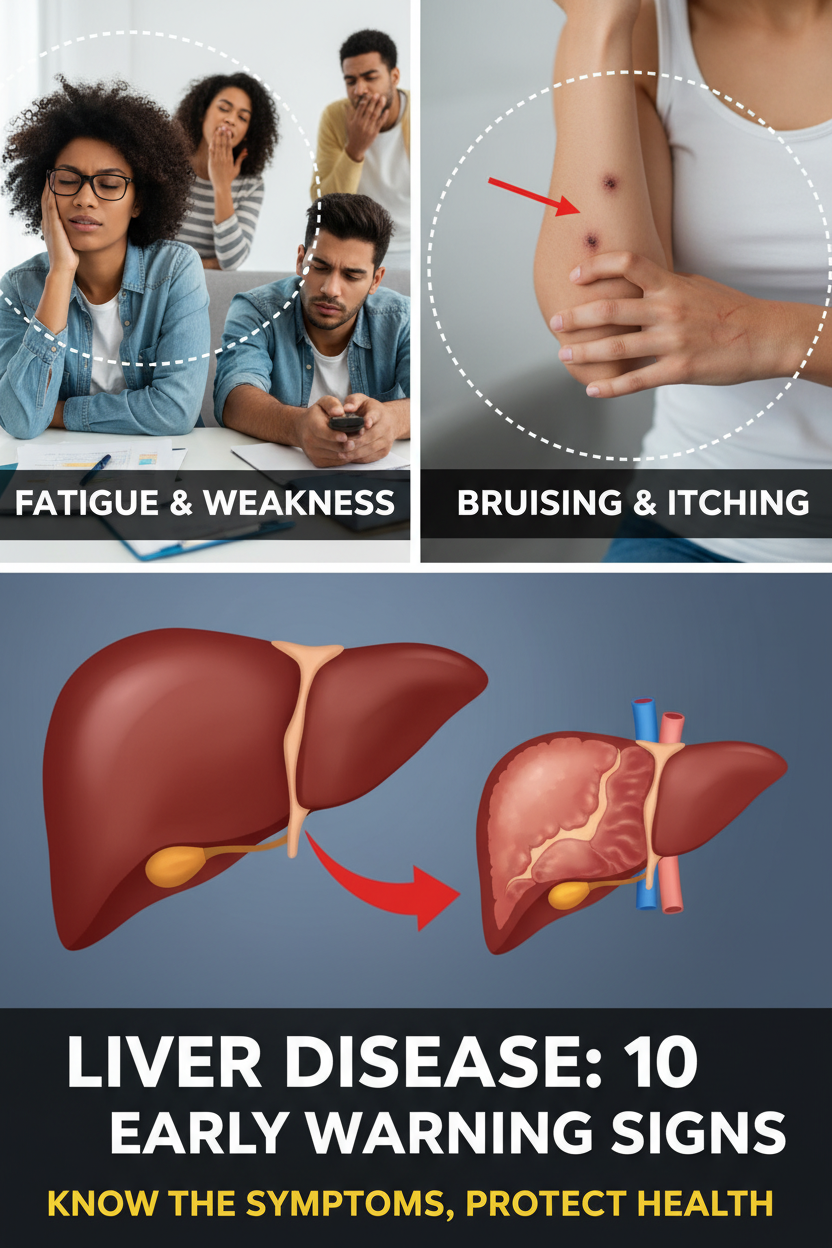
Here are the 12 unusual signs to be vigilant for, derived from established medical insights:
Sign #1: Persistent Itchy Skin Without a Visible Rash
Ongoing itching, particularly affecting the palms, soles of the feet, arms, or legs, can profoundly disrupt sleep and daily comfort. This phenomenon occurs when bile salts, instead of being properly excreted through the digestive system, accumulate in the bloodstream, subsequently irritating skin nerves. Medical literature frequently cites this as a characteristic feature in certain liver conditions involving impaired bile flow, also known as cholestasis. If you’ve attempted various moisturizers or antihistamines without relief, and no other dermatological condition accounts for the itching, it’s advisable to track these patterns and discuss them with your doctor to explore potential liver-related skin symptoms.
Sign #2: Involuntary Hand Flapping (Asterixis)
Perform this straightforward self-check: Extend your arms forward, palms facing down, fingers spread wide, and maintain this position for approximately 30 seconds. Do you observe any brief, irregular flapping or jerky motions? This neurological sign, medically termed asterixis, is linked to the buildup of toxins (such as ammonia) in the body, which then interfere with brain signals responsible for muscle control. According to reputable sources like the Cleveland Clinic, it is commonly associated with advanced liver challenges, particularly hepatic encephalopathy. Early recognition of this neurological liver sign can prompt important diagnostic follow-up.
Sign #3: Small Spider-Like Blood Vessels on the Skin (Spider Angiomas)
These painless, red spots, characterized by tiny lines radiating outward like spider legs, frequently appear on the chest, face, neck, or arms. Their presence is a result of altered hormone processing by the liver, which leads to the dilation of small blood vessels. Studies indicate that they are present in approximately one-third of individuals with cirrhosis. It’s important to monitor if new ones appear or if existing ones multiply—it serves as a distinct visual cue that warrants attention regarding your liver health.
Sign #4: Reddened Palms (Palmar Erythema)
Observe if your palms appear unusually flushed, especially at the base of the thumbs and the pinky areas, without accompanying heat or pain. This symptom is once again connected to altered estrogen metabolism, a function primarily managed by the liver. Reliable medical reviews suggest that palmar erythema is observed in roughly 23% of advanced liver disease cases. Comparing your palms to a healthy reference can offer a quick, indicative check for this unusual liver symptom.