 By admin
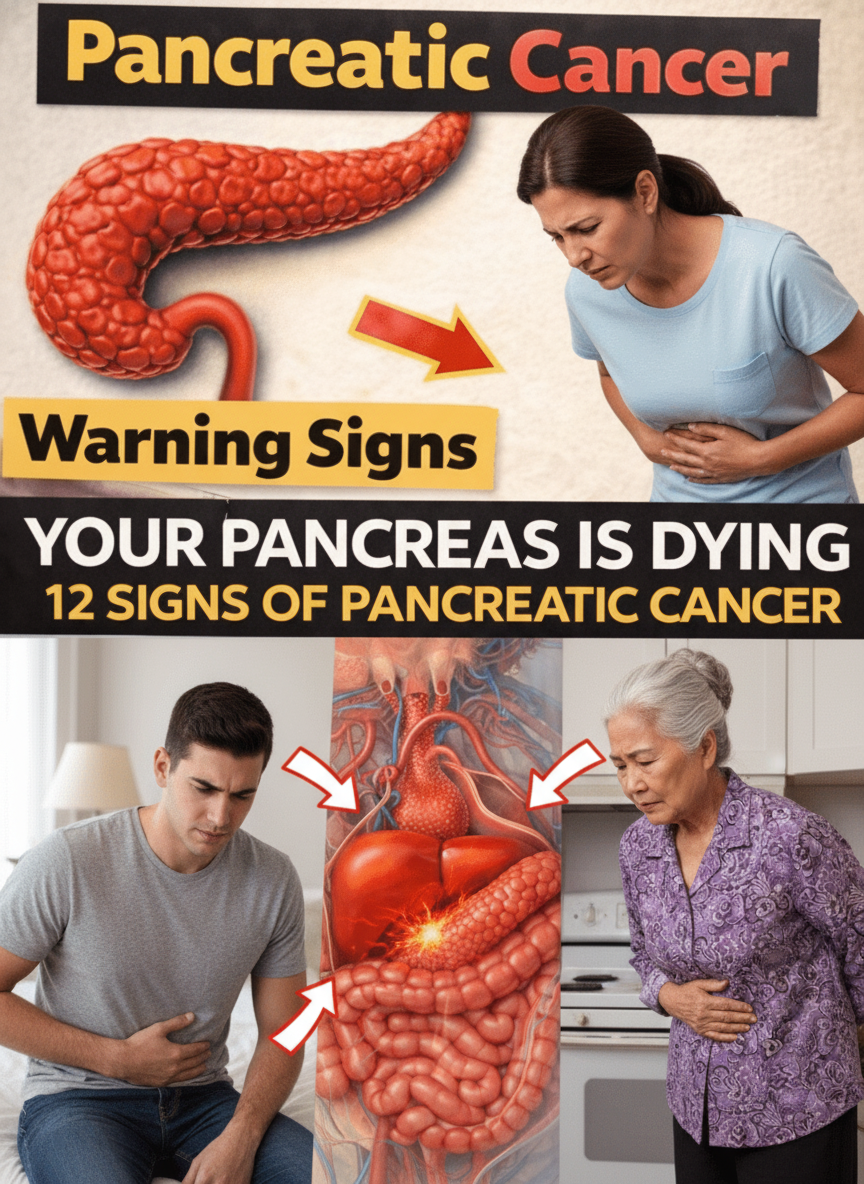
 12 Signs of Pancreatic Cancer You Should Never Ignore!
Pancreatic cancer often progresses silently, with early symptoms easily mistaken for common digestive issues or everyday stress. However, when these discomforts persist without a clear cause, they can signal significant changes within the body that demand attention. The frustration of unexplained shifts in energy, appetite, or general well-being can be disruptive, leading to questions about what might truly be happening.
You are not alone in noticing these subtle cues. Paying close attention to them now can be crucial for your health journey. Interestingly, one often-overlooked sign can manifest before others. Understanding the full spectrum of symptoms, along with a simple checklist, will empower you for informed discussions with your doctor.
Why Understanding These Signs Matters
The pancreas, located behind the stomach, is vital for digestion and blood sugar regulation. When its function is compromised, symptoms can appear in unexpected ways. Experts from institutions like the Mayo Clinic and American Cancer Society emphasize that early pancreatic cancers often present without obvious issues, making awareness of common signs incredibly valuable.
While these symptoms can overlap with numerous less serious conditions, recognizing persistent patterns or multiple concurrent signs is key to taking confident next steps. Most individuals experience one or two of these at some point; however, their combined or prolonged presence warrants further investigation by a healthcare professional.
12 Key Signs to Be Aware Of
Here is a concise overview of 12 signs frequently associated with pancreatic cancer, compiled from reputable medical sources. Remember, these are general observations, and only a doctor can accurately diagnose your specific situation.
- Persistent upper abdominal pain that may spread to the back
- Unexplained weight loss, even without changes in diet or activity
- Loss of appetite or feeling full after consuming small meals
- Jaundice (yellowing of the skin and the whites of the eyes)
- Dark-colored urine, often resembling cola
- Pale, light-colored, or floating stools
- Itchy skin without an obvious rash or irritation
- Sudden onset of diabetes or difficulty controlling existing blood sugar levels
- Nausea, vomiting, or general digestive upset
- Ongoing fatigue and unusual weakness
- Bloating, gas, or persistent indigestion
- Increased risk of blood clots, such as in the legs (deep vein thrombosis)
But there’s more to understand. Let’s delve deeper into each sign to clarify its potential implications and what specific indicators to watch for.
Persistent Upper Abdominal Pain That May Spread to the Back: This dull, gnawing pain often worsens after eating or lying down. Due to the pancreas’s location, pressure or inflammation can radiate, mimicking a deep muscle ache that persists daily.
Unexplained Weight Loss: Losing weight without trying is a significant indicator, often accompanied by a decreased desire to eat. Impaired pancreatic function can hinder nutrient absorption, leading to gradual weight loss over weeks or months.
Loss of Appetite or Feeling Full Quickly: You might find food unappealing or feel satiated after just a few bites. This disruption in digestion frequently co-occurs with unexplained weight loss.
Jaundice (Yellowing of Skin and Eyes): A tumor blocking the bile duct causes bilirubin buildup, leading to a yellowish tint. This sign is often noticed by others first and is a classic indicator, especially with other digestive changes.
Dark-Colored Urine: Urine resembling tea or cola can be an early clue linked to bile buildup. Unlike simple dehydration, increased water intake typically won’t lighten its color.
Pale, Light-Colored or Floating Stools: Stools may appear clay-colored, greasy, or float due to poor fat digestion. This change can be subtle initially but becomes more consistent.
Itchy Skin Without an Obvious Cause: Elevated bilirubin, which causes jaundice, can also trigger widespread itching, often affecting hands, feet, and abdomen, with over-the-counter remedies providing little relief.
Sudden Onset of Diabetes or Harder-to-Control Blood Sugar: Pancreatic interference with insulin production can lead to new or worsening diabetes, even in individuals without prior history, potentially appearing months before other symptoms.
Nausea, Vomiting, or General Digestive Upset: These non-specific symptoms can become chronic, reflecting the pancreas’s difficulty in producing digestive enzymes, leading to persistent discomfort after meals.
Ongoing Fatigue and Unusual Weakness: A general feeling of being unwell, tired, and lacking energy can result from the body fighting the disease, poor nutrient absorption, or anemia.
Bloating, Gas, or Ongoing Indigestion: These common digestive complaints, when persistent and unexplained by diet, can indicate impaired pancreatic function affecting digestion.
Increased Risk of Blood Clots: Pancreatic cancer can increase the risk of blood clots, particularly in the legs (DVT) or lungs (PE), due to substances released by the tumor affecting blood clotting mechanisms.