 By admin
 Millions worldwide rely on amlodipine daily to manage high blood pressure effectively. Yet, beneath its widespread use, many individuals quietly grapple with side effects often downplayed as minor by healthcare providers. These subtle yet persistent issues can slowly erode daily comfort and confidence, manifesting as uncomfortable ankle swelling, inexplicable fatigue, or even changes in gum health that affect your smile and self-assurance. It’s easy to dismiss such discomfort as merely “getting older.”
However, understanding these documented effects can be incredibly empowering. By recognizing these patterns early, you can initiate more informed discussions with your healthcare provider, leading to strategies that help you maintain control over your well-being longer than you might expect.
🩺 The Overlooked Reality: Why Amlodipine Side Effects Surprise So Many
For many over 50 managing hypertension, the subtle changes brought on by amlodipine are frequently attributed to normal aging or a busy lifestyle. Yet, these effects can silently impact mobility, mood, and even adherence to treatment. Clinical studies indicate certain amlodipine-related issues appear more frequently than commonly discussed, with women and those on higher doses sometimes facing an elevated risk. If tighter shoes or persistent tiredness have left you feeling frustrated, know that you are not alone. Imagine if spotting these signs sooner could lead to simple adjustments that restore your comfort. The details that follow are designed to make precisely that difference, providing you with a deeper understanding.
📋 12 Lesser-Known Amlodipine Side Effects You Should Be Aware Of
1. 💧 Swollen Ankles and Legs (Peripheral Edema)
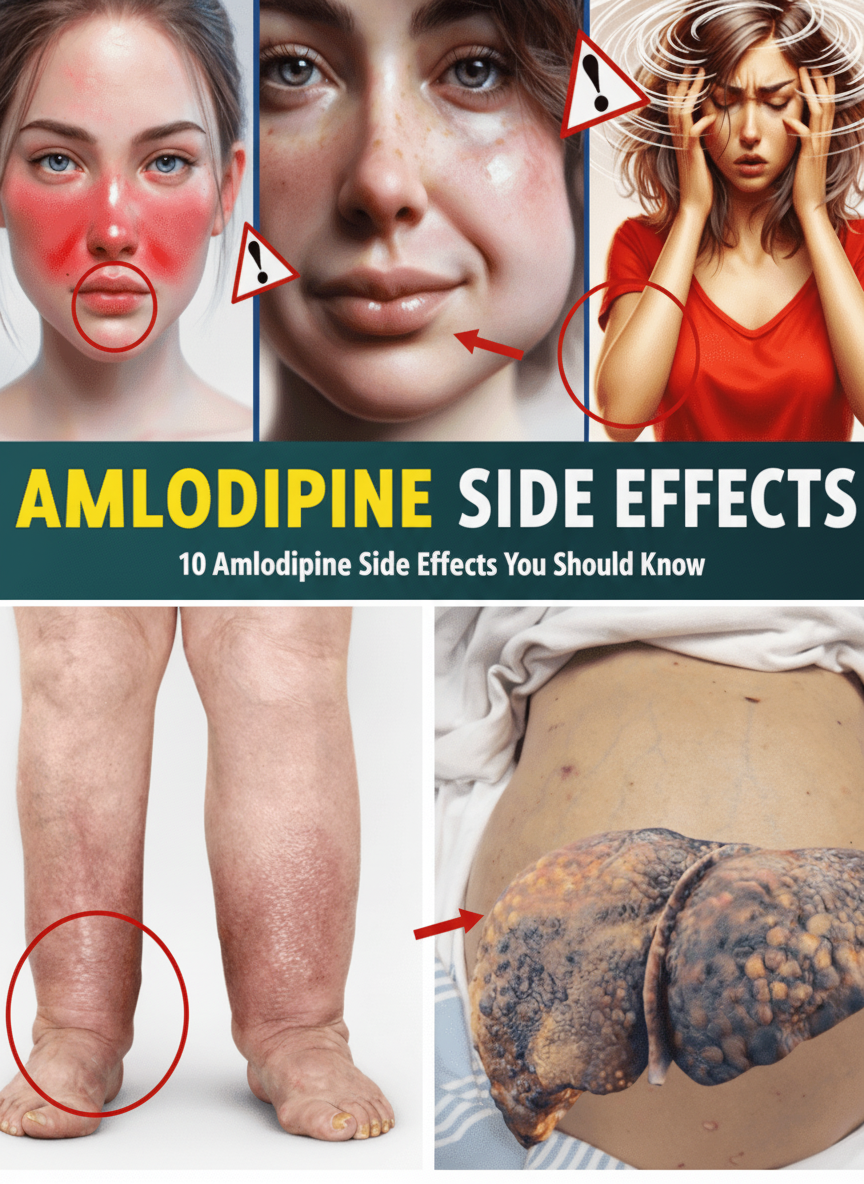
Peripheral edema, manifesting as swelling in the ankles and legs, can transform favorite shoes into uncomfortable burdens and make activities like walking with loved ones feel heavier. This common side effect is reported in up to 14.6% of amlodipine users, with women experiencing it two to three times more often, particularly at higher doses. It occurs because amlodipine causes blood vessels to dilate, leading to fluid shifting into surrounding tissues. Discussing this with your doctor for potential dose adjustments or supportive measures often brings significant relief.
2. 🧪 Potential Liver Concerns
While rare, unexplained fatigue can be a subtle indicator of deeper issues, including potential liver concerns linked to amlodipine. Case reports have documented occasional elevations in liver enzymes that resolved after medication adjustments. If you’re experiencing persistent, unexplained tiredness, tracking these patterns can be helpful. For most, routine monitoring and open communication with their doctor provide reassurance and appropriate management.
3. ❤️ Heart Palpitations
Unexpected heart flutters can be unsettling, disrupting moments of calm and inducing anxiety. Clinical data shows that palpitations occur in approximately 4.5% of users, more frequently in women and at higher doses. Many individuals have found relief and regained a steady rhythm after openly discussing these symptoms with their healthcare provider, often leading to simple dose reviews.
4. 🦷 Gum Overgrowth (Gingival Hyperplasia)
Changes in gum tissue, specifically gingival hyperplasia, can affect your smile and self-confidence during social interactions or photos. Research indicates this side effect occurs in roughly 1.7–3% of cases, often associated with longer-term use or higher doses. Maintaining excellent oral hygiene and having timely conversations with your dentist and doctor about this issue can help restore comfort and your natural smile.
Mid-Article Insight: We’ve now explored four significant, though often overlooked, effects of amlodipine. Recognizing these patterns empowers you to engage more effectively with your healthcare provider and advocate for your comfort and well-being. Let’s continue exploring the next crucial points.
5. 🌀 Dizziness and Neurological Symptoms
Lightheadedness or dizzy spells can raise concerns about falls and limit your enjoyment of daily activities like gardening or running errands. Clinical trials indicate dizziness affects around 3.4% of users, with some also reporting tingling sensations. Keeping a detailed symptom journal can provide clear insights for your doctor, often leading to effective adjustments and more stable days.
6.
(The original article provided ends here, having covered the first six points of its “12 Lesser-Known Side Effects” list. For a complete understanding, further consultation of the full source material would be necessary.)