 By admin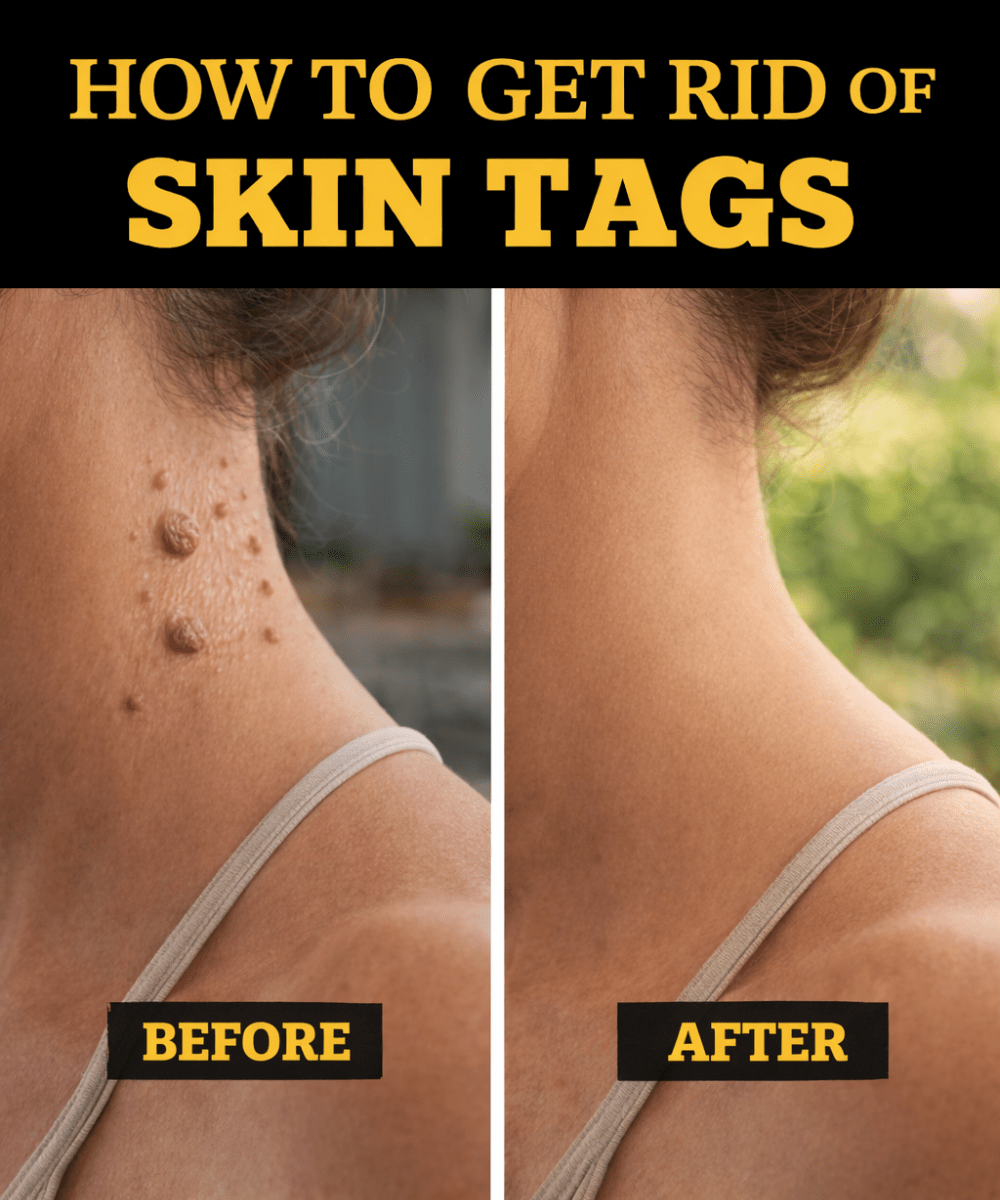
Skin tags—those small, harmless flaps of skin that often appear in areas of friction like the neck, armpits, or eyelids—can be surprisingly bothersome. They catch on clothing or jewelry, cause constant low-level irritation, and make you feel more self-conscious than you’d like to admit. If you’ve noticed more of them over time, you’re far from alone, and the desire to address them gently at home is completely understandable. Many people report success with simple household ingredients that may help dry them out gradually—but here’s the key: results vary widely, scientific evidence is limited, and there’s an important prevention strategy waiting at the end that often makes a bigger difference than any single remedy.

What Are Skin Tags, Exactly?
Skin tags, medically known as acrochordons, are soft, benign growths made of loose collagen fibers and blood vessels in the skin. They typically hang off the skin by a thin stalk and develop where skin rubs against skin or clothing.
Common triggers include:
- Age (they become more frequent after 40)
- Weight fluctuations or obesity
- Pregnancy (due to hormonal changes and weight gain)
- Family history
- Insulin resistance or type 2 diabetes
Research from the American Academy of Dermatology shows they’re extremely common and completely non-cancerous. But that’s not all—if a tag suddenly changes in size, color, bleeds, or becomes painful, see a doctor immediately to rule out other conditions.

When Should You See a Doctor First?
Before trying any home approach, it’s wise to have a dermatologist confirm it’s truly a skin tag. They can remove it quickly and safely in one visit using proven methods like freezing (cryotherapy), snipping, or ligation.
Home methods are popular because they’re convenient and low-cost, but dermatologists generally caution against them due to risks of irritation, infection, or scarring. They’re best considered only for small, uncomplicated tags in non-sensitive areas.
Here’s a quick comparison:
| Approach | Time Required | Potential Risks | Best For |
|---|---|---|---|
| Home Remedies | Weeks to months | Irritation, allergic reactions, infection | Small, uncomplicated tags |
| Professional Removal | One short visit | Minimal scarring (when done properly) | Larger tags, eyelids, or sensitive areas |
The truth is, many people start with natural options—but professional removal is often the safest, most reliable choice.
12 Natural Home Remedies People Commonly Try
These approaches are based largely on anecdotal reports. Scientific studies are limited, and most dermatologists emphasize that no home remedy is proven effective. Still, some ingredients have natural drying or soothing properties that people find helpful. Always patch-test first, dilute strong items, and protect surrounding skin with petroleum jelly.
1. Tea Tree Oil
Tea tree oil has antiseptic properties that may help dry the area gently.
How to try:
- Mix 2–3 drops with a carrier oil (like coconut or jojoba).
- Apply with a cotton swab.
- Cover with a bandage overnight.
- Repeat daily for 2–4 weeks.
Stop if any stinging or redness occurs—undiluted oil can irritate.

2. Apple Cider Vinegar
Its natural acidity is thought to gradually break down tissue.
Steps:
- Dilute 1:1 with water.
- Soak a cotton ball and apply for 10–15 minutes.
- Rinse thoroughly.
- Use 1–2 times daily.
Avoid on sensitive skin, as it can cause stinging or chemical burns.

3. Garlic
Compounds in garlic may have mild drying effects.
How people use it:
- Crush a fresh clove into a paste.
- Apply a tiny amount to the tag.
- Cover overnight and wash off in the morning.
Use very sparingly—garlic can burn surrounding skin.

4. Aloe Vera
Fresh aloe gel is soothing and moisturizing.
Apply pure gel directly 2–3 times daily and let it absorb naturally.

5. Lemon Juice
Citric acid may help dry the growth.
Dab fresh juice briefly, then rinse. Avoid sun exposure afterward, as lemon increases photosensitivity.

6. Banana Peel
Some believe the enzymes in the peel help soften the tag.
Rub the inside of a fresh peel on the area nightly and rinse in the morning.

7. Vitamin E Oil
Rich in antioxidants, it may support skin health.
Massage pure vitamin E oil onto the tag daily.
8. Castor Oil and Baking Soda
A paste is sometimes used for its mild exfoliating effect.
Mix into a thick paste, apply carefully, and rinse after 15–20 minutes.
9. Liquid Iodine
Anecdotal reports suggest topical application may dry tags.
Use sparingly and only food-grade iodine—evidence is very limited.
10. Oregano Oil
Strong antimicrobial properties, but must be heavily diluted.
Mix 1 drop with 6–8 drops carrier oil before careful application.
11. Pineapple Juice
Fresh juice contains enzymes thought to break down tissue.
Dab on briefly and rinse thoroughly.
12. Dental Floss Tying
Tying off the base restricts blood flow (similar to medical ligation).
Strong caution: This carries higher risks of pain, infection, or incomplete removal. Most dermatologists strongly advise against it at home.
Here’s the interesting part: consistency matters, but combining remedies with smart daily habits often yields better long-term results.
Essential Safety Tips
Your skin’s comfort comes first. Follow these guidelines:
- Clean the area gently with mild soap first.
- Stop immediately if you notice redness, swelling, pain, or blisters.
- Never attempt any method on eyelids, genitals, or mucous membranes.
- Protect surrounding skin with petroleum jelly.
- Be patient—visible changes, if any, can take weeks.
- Monitor closely for infection signs.
Studies consistently emphasize that irritation is the most common issue with home approaches.
Prevention Strategies That Often Work Better
While you can’t always prevent skin tags entirely, reducing friction and supporting skin health helps many people avoid new ones.
Practical habits include:
- Keeping skin folds clean and dry
- Wearing loose, breathable clothing
- Maintaining a healthy weight to minimize friction
- Managing blood sugar levels if you have insulin resistance
- Staying well-hydrated and eating antioxidant-rich foods (berries, greens, nuts)
And here’s the bonus tip many overlook: these lifestyle changes often reduce new tags more effectively than treating existing ones.
In Summary
Exploring gentle home remedies for skin tags can feel empowering when you’re looking for natural options. While countless people share positive experiences with patience and care, results aren’t guaranteed, and professional removal remains the gold standard for safety and speed.
Listen to your skin, start slowly, and don’t hesitate to consult a dermatologist—they can offer personalized advice and quick solutions.
Frequently Asked Questions
Are skin tags contagious?
No, they’re not contagious in any way—they’re simply overgrowths of your own skin.
How long do home remedies typically take?
If they help at all, changes usually appear in 2–4 weeks, though it can take longer and varies by person.
When should I see a doctor about a skin tag?
Seek professional evaluation if it changes in appearance, bleeds, becomes painful, or if you’re unsure it’s a skin tag.
Disclaimer: This article is for informational purposes only and is not medical advice. Skin tags are benign, but always consult a qualified healthcare professional or dermatologist before trying any home approaches, especially if you have sensitive skin, diabetes, or other medical conditions. They can provide accurate diagnosis and safe removal options tailored to you.
(Word count: ~1,280)