 By admin
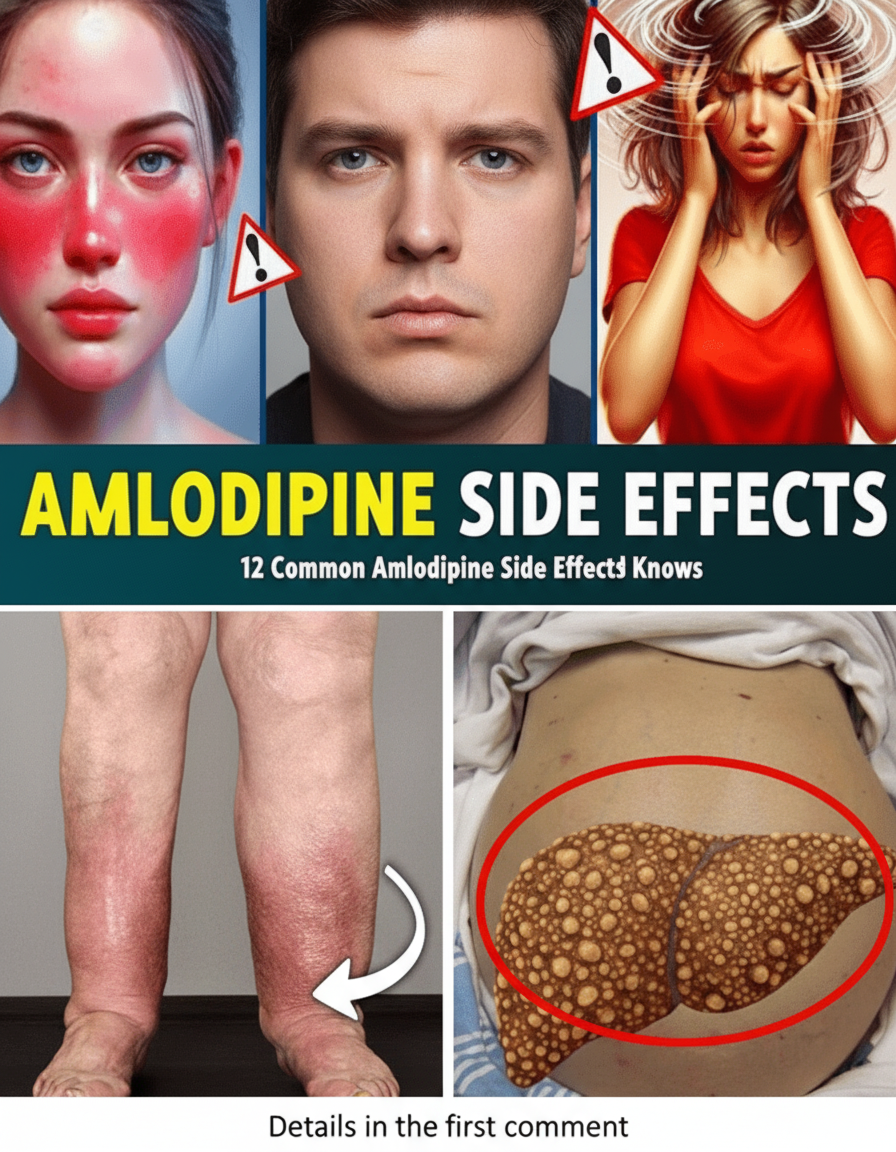
 Many individuals rely on amlodipine daily to effectively manage high blood pressure and support their cardiovascular health. While this medication is widely prescribed, some patients may experience subtle shifts in their well-being, such as unexpected swelling, persistent fatigue, or other discomforts, leaving them to wonder if these are connected to their treatment. It can be frustrating when these experiences are dismissed as minor or unrelated to medication. However, there’s an empowering truth: increased awareness of documented side effects can facilitate more productive conversations with your healthcare provider, potentially leading to better management strategies. Join us as we delve into 12 clinically recognized side effects that frequently go unnoticed.
Why Some Amlodipine Side Effects Catch People Off Guard
Amlodipine stands as one of the most frequently prescribed medications for hypertension, assisting millions in maintaining healthy blood pressure levels. Clinical studies and real-world observations generally confirm its good tolerability; however, individual responses can vary significantly. Research indicates that certain adverse effects, such as fluid retention or skin flushing, often correlate with dosage and may be more pronounced in specific demographics, like women or those on higher doses. It’s not uncommon for ongoing fatigue to be attributed to aging or a demanding lifestyle. But what if your medication plays a role? The encouraging news is that many individuals find relief through simple monitoring, dose adjustments, or incorporating supportive lifestyle habits. Let’s explore these in detail.
Side Effect 1: Swelling in Ankles and Legs (Peripheral Edema)
One of the most commonly reported issues with amlodipine is swelling that can make shoes feel tight or legs heavy. Clinical trials reveal this can affect up to 10.8% of patients taking a 10 mg dose, with women experiencing it two to three times more frequently than men. This phenomenon occurs because the medication relaxes blood vessels, allowing fluid to accumulate in peripheral tissues. Many patients observe improvement with lifestyle modifications or adjustments guided by their physician. If you’ve noticed this puffiness, tracking its patterns could provide valuable insight for your next medical appointment. Yet, peripheral edema is just one of the ways amlodipine can manifest unexpected effects.
Side Effect 2: Occasional Liver Enzyme Changes
Although infrequent, some individuals may experience temporary elevations in liver enzymes while undergoing amlodipine treatment. Case reports and ongoing monitoring data highlight this as a rare, idiosyncratic reaction, meaning it doesn’t affect everyone and often resolves with medical oversight or dosage modifications. Unexplained tiredness or mild abdominal discomfort can sometimes signal the need for routine blood tests. Studies underscore that consistent monitoring is crucial for early detection and effective management of these changes.
Side Effect 3: Heart Palpitations
That sudden sensation of a racing or fluttering heart can be unsettling, especially during quiet moments. Trial data indicates palpitations in approximately 4.5% of users on higher doses, with women reporting them more often. This symptom may arise from the medication’s impact on blood vessel relaxation. Many find that these sensations subside over time or with a review of their dosage. Sharing the patterns and timing of these palpitations with your doctor can often bring greater clarity and tailored advice. Recognizing this potential effect already puts you in a better position to manage your health.
Side Effect 4: Gum Overgrowth (Gingival Hyperplasia)
Changes in your gums, such as an overgrowth that affects your smile or oral comfort, might not immediately be linked to a blood pressure medication. Research and clinical case reports describe this occurrence in roughly 1-3% of long-term users, often associated with higher doses or prolonged administration. Maintaining excellent oral hygiene is paramount in preventing or managing this condition. Patients who address gingival hyperplasia early often regain confidence through appropriate dental care and discussions about their medication regimen with their healthcare provider.
Quick Mid-Article Check-In: How Informed Do You Feel Now?
We’ve explored four significant effects so far—have any of these surprised you? What’s your primary concern regarding blood pressure medications? Are you anticipating dizziness as the next potential side effect? On a scale of 1-10, how much has your understanding grown since you began reading this article? Ready to uncover the rest? Let’s continue our exploration.
Side Effect 5: Dizziness or Lightheadedness
Feeling unsteady when rising quickly or experiencing a slight imbalance can impact daily confidence and activities. Clinical trials report dizziness in approximately 3.4% of users, sometimes more prevalent in older adults due to shifts in blood pressure. Simple preventative strategies, such as slowly transitioning from a sitting or lying position to standing, can be highly effective. While rarer, neurological symptoms like tingling sensations have also been noted in some reports.
Side Effect 6: Nausea or Digestive Upset
Persistent stomach discomfort or feelings of nausea after meals are not uncommon for some individuals taking amlodipine. Clinical data indicates this affects roughly 2.9% of patients, possibly stemming from changes in gut motility. Taking the medication with food or identifying specific triggers often helps alleviate these symptoms. Discussing these digestive issues with your doctor can lead to personalized advice or adjustments.
Side Effect 7: Facial Flushing
A sudden sensation of warmth or visible redness in the face can feel uncomfortable, particularly in social situations. Studies indicate this affects about 2.6% of patients, with women reporting it up to three times more frequently than men. This effect is often related to the medication’s vasodilatory properties, which widen blood vessels. While generally harmless, understanding its origin can help patients manage any associated self-consciousness.