 By admin
 You probably associate diabetes with classic indicators like persistent thirst or frequent trips to the bathroom. However, countless individuals live with more subtle clues for months, even years, without recognizing these quiet warnings. These lesser-known changes can be your body’s way of signaling a struggle with blood sugar regulation, and overlooking them could allow the condition to advance.
The good news is that early identification can empower you to seek medical advice sooner. In this comprehensive guide, we’ll delve into 11 often-missed signs of diabetes, supported by medical insights, to help you stay informed and proactive about your health. And there’s a truly surprising sign, rooted in ancient observations, that still catches many off guard today—make sure to read until the end to discover it.
Why These Diabetes Indicators Often Go Unnoticed
Elevated blood sugar impacts nearly every system within your body, yet the resulting changes can be so gradual or seemingly unrelated that they are frequently dismissed as mere stress, the natural process of aging, or trivial health concerns. Research from reputable organizations, such as the American Diabetes Association, indicates that a significant number of adults with undiagnosed type 2 diabetes experience mild or atypical symptoms for extended periods before receiving a diagnosis. Recognizing these early signals can be pivotal in obtaining timely support from a healthcare professional.
Here are 11 signs of potential diabetes that truly warrant your attention:
1. Dark, Velvety Patches on Your Skin (Acanthosis Nigricans)
You might observe areas of thicker, darker skin with a velvety texture, particularly in body folds like the neck, armpits, or groin. This skin change often develops gradually and is commonly mistaken for a cosmetic issue rather than a significant health concern. Medical studies strongly link acanthosis nigricans to insulin resistance, a primary precursor to type 2 diabetes.
2. Frequent or Recurring Infections
Are you experiencing yeast infections, urinary tract infections (UTIs), or various skin infections more often than usual? High blood sugar levels create an ideal breeding ground for bacteria and yeast, simultaneously compromising your body’s natural immune defenses. This pattern of recurrent infections can affect both men and women.
3. Blurred or Fluctuating Vision
Sudden alterations in your eyesight—such as objects appearing fuzzy or requiring frequent updates to your eyeglass prescription—can be a consequence of fluid shifts within the eye’s lenses. These shifts are directly influenced by elevated glucose levels. Many individuals first notice this symptom when routine activities like driving or reading become challenging.
4. Wounds That Heal Slowly
A minor cut, scrape, or bruise that takes weeks rather than days to mend is a significant warning sign. Poor circulation and damage to nerve endings, both consequences of persistently high blood sugar, significantly impede the body’s natural healing process, particularly in the lower extremities like the feet and legs.
5. Tingling, Numbness, or “Pins and Needles” Sensations in Hands and Feet
That peculiar sensation in your extremities—often described as your hands or feet “falling asleep” or a persistent tingling—could be a symptom of peripheral neuropathy. This is one of the more subtle diabetes indicators that progresses over time as nerve damage accumulates. But there are even more unexpected signs to consider…
6. Persistent Fatigue Unrelieved by Rest
Do you feel utterly exhausted even after a full night’s sleep? When your body’s cells struggle to properly utilize glucose for energy, profound exhaustion sets in. This type of tiredness often feels much deeper and more debilitating than typical burnout or general weariness.
7. Increased Irritability or Noticeable Mood Swings
Fluctuations in blood sugar can profoundly impact brain function, leading to sudden mood changes, heightened frustration, or a constant feeling of being “on edge.” While it’s easy to attribute these feelings to stress, they might actually be linked to an inconsistent supply of energy to the brain due to glucose imbalances.
8. Chronic Dry Mouth or Unquenchable Thirst Beyond the Obvious
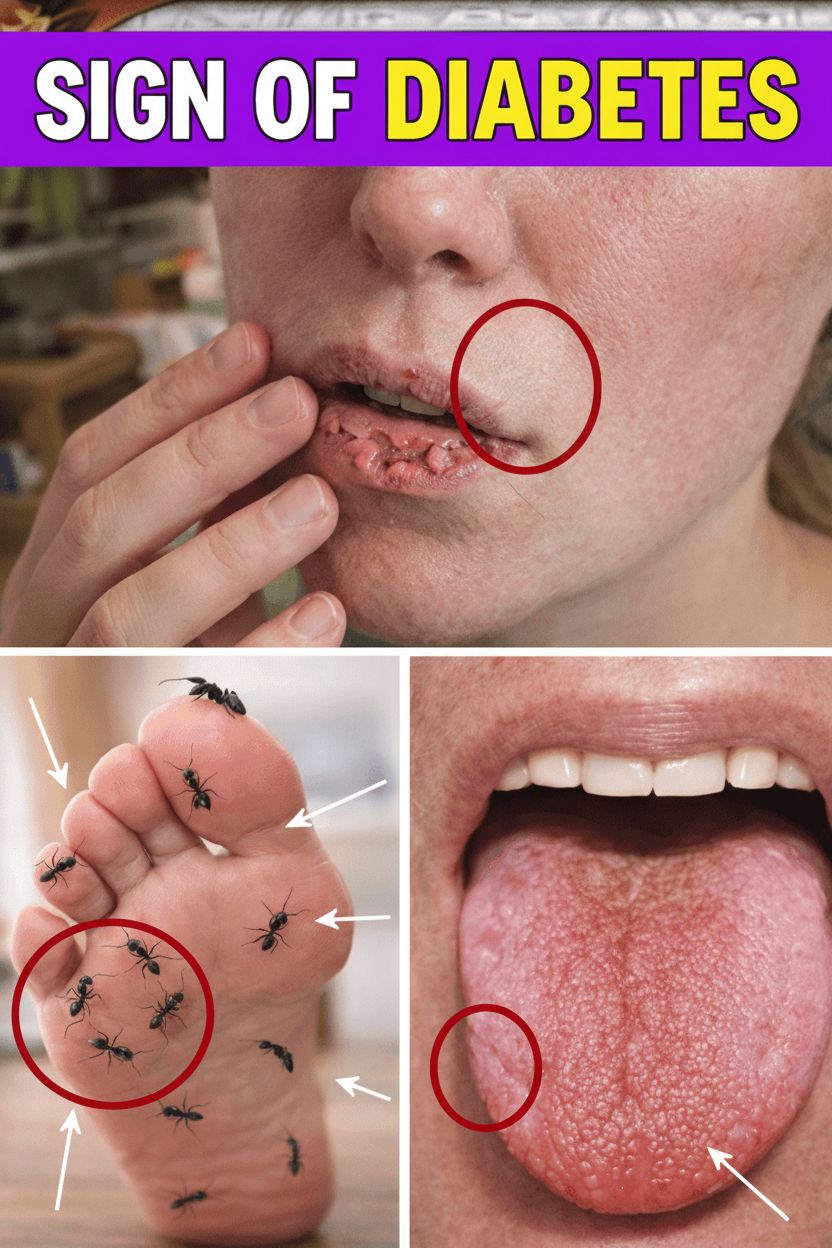
While increased thirst is a well-known symptom, a perpetually dry mouth—even when you’re consistently drinking water—can signal dehydration. This occurs because excessive urination, a common diabetic symptom, pulls vital fluids away from your body, leading to a cycle of dehydration.
9. Skin Tags or Small, Extra Growths
Are small, soft skin tags appearing around your neck or under your arms? These benign growths are more prevalent in individuals with insulin resistance and are frequently dismissed as harmless cosmetic blemishes. However, they can be a subtle hint of underlying metabolic changes.
10. Unexplained Itchy Skin
Dry, itchy skin, particularly around the lower legs or genital area, can be a consequence of impaired circulation or an overgrowth of yeast, both of which are exacerbated by elevated sugar levels in the blood. This persistent itch often lacks an obvious external cause.
11. Sweet-Smelling Breath or Unusual Attractants Around Urine
In certain severe cases, a person’s breath might develop a distinct fruity odor (a sign of ketones, indicating very high blood sugar, often seen in diabetic ketoacidosis). Historically, and still observed in some folklore today, people noticed ants or other insects being drawn to urine due to its high sugar content—a clue even mentioned in ancient medical texts. While not universally experienced, this remains a classic, albeit less commonly discussed, indicator of elevated glucose spilling into the urine.
It’s important to remember that these signs do not manifest uniformly in everyone, and experiencing one symptom does not automatically confirm a diabetes diagnosis. However, noticing a cluster of these indicators warrants an immediate discussion with your healthcare provider. Early awareness and intervention are key to managing your health effectively.
Quick Glance: Common vs. Less Obvious Diabetes Signs
- Commonly Discussed Signs: Frequent urination, excessive thirst, unexplained weight loss (more typical in Type 1 diabetes).
- Lesser-Known Indicators: Dark skin patches, recurrent infections, blurred vision, slow-healing wounds, nerve sensations, persistent fatigue, mood changes, chronic dry mouth, skin tags, unexplained itching, sweet breath/sugary urine.