 By admin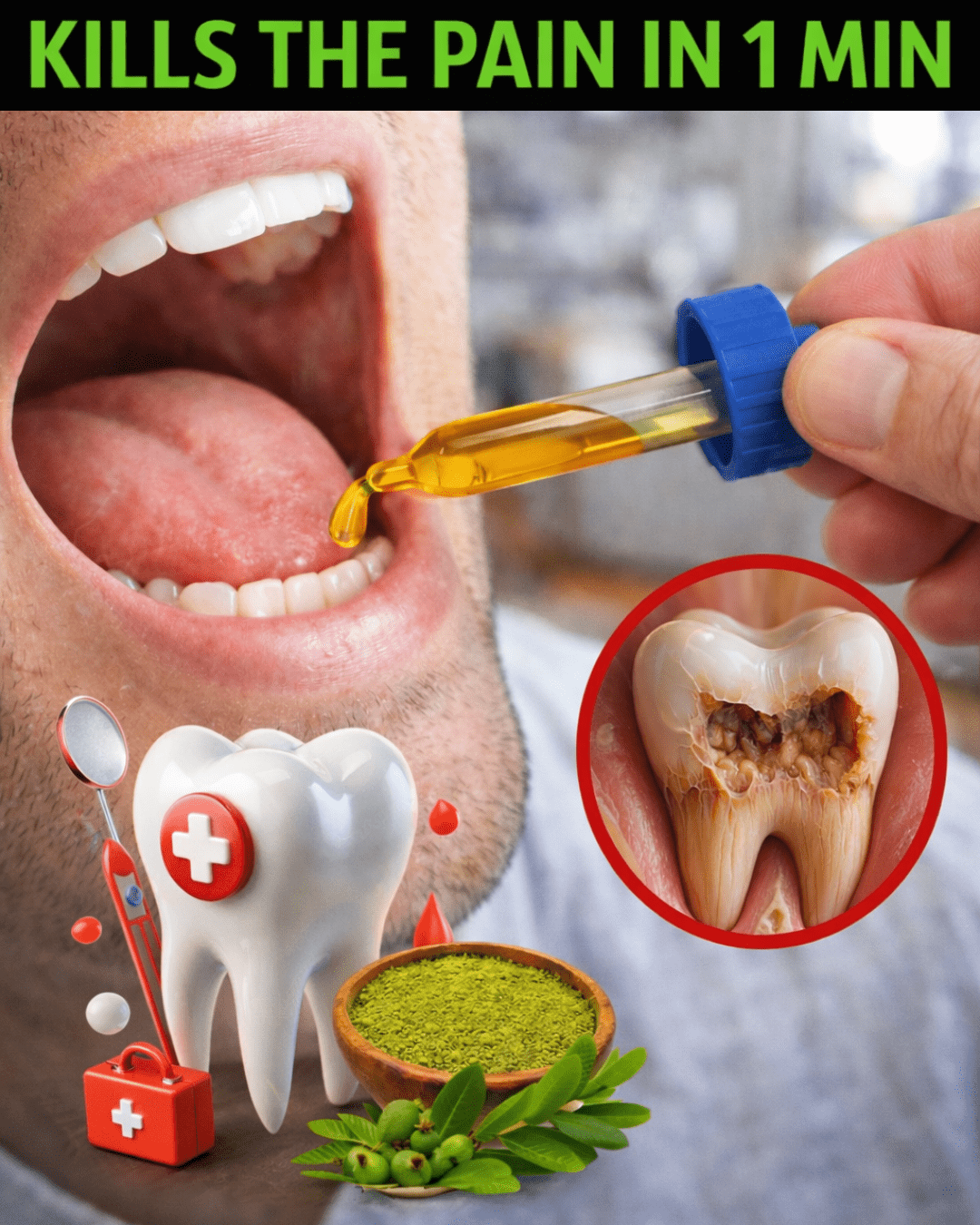
Toothaches strike without warning, turning a simple bite into sharp, throbbing agony that radiates through your jaw and makes concentration impossible. Millions deal with this pain from decay, exposed nerves, or swelling, often waking up in the middle of the night or during busy days when a dentist isn’t immediately available. The discomfort builds quickly, leaving you desperate for anything that brings even short-term calm.
But here’s the good news: many people find temporary relief using simple, natural approaches with items already at home. These methods may help dull the intensity while you arrange professional care. In this guide, we’ll explore 10 practical options backed by traditional use and some scientific insights, ranked from quickest numbing effects to supportive soothers—plus safety tips to use them wisely.

Why Toothaches Hurt So Much — And Why Quick Action Matters
Tooth pain often signals issues like cavities reaching sensitive inner layers, gum inflammation, or infection. Studies show many adults delay care due to cost or anxiety, allowing minor problems to worsen. Untreated, it can lead to more swelling or complications. While these home steps offer only temporary help, they bridge the gap until you see a dentist.
Research highlights that cold applications reduce inflammation, while certain plant compounds provide mild numbing or antibacterial effects. Let’s dive into the methods.
10 Natural Ways to Find Fast Toothache Relief at Home
1. Cold Compress: Quick Numbing for Throbbing Pain
Apply a cold pack or wrapped ice bag to your cheek over the sore area for 10-15 minutes.
Cold constricts blood vessels, easing swelling and numbing nerves. Many report noticeable drops in pain intensity shortly after. Wrap it in cloth to avoid skin irritation—repeat as needed, but not directly on the tooth.
This is often the fastest external relief, especially for swelling-related aches.

2. Clove Oil: Time-Tested Numbing Power
Dab a drop or two of clove oil on a cotton ball and hold it against the painful tooth or gum for a few minutes. Or gently bite a whole clove to release its oils.
Clove oil’s eugenol compound acts as a natural anesthetic and antiseptic. Studies, including comparisons to benzocaine, suggest it provides temporary numbing for dental discomfort. Dilute if strong, and avoid overuse to prevent irritation.
This ranks high for many as a go-to emergency option.
3. Peppermint Tea Rinse or Bag: Cooling Sensation
Brew strong peppermint tea, let it cool slightly, and swish gently. Or apply a cooled tea bag directly to the area for 10-20 minutes.
Menthol offers a mild cooling, numbing feel. Some research notes its potential for soothing oral irritation. It’s gentle and refreshing—repeat every few hours if helpful.
4. Salt Water Rinse: Simple Cleansing and Soothing
Dissolve ½ teaspoon of salt in warm water. Swish for 30 seconds, then spit.
This classic draws out fluids to reduce swelling and flushes debris. Evidence shows it promotes a cleaner environment and may ease inflammation. Safe for frequent use—many dentists recommend it.

5. Hydrogen Peroxide Rinse: Antibacterial Support
Mix equal parts 3% hydrogen peroxide and water. Swish for 30-60 seconds (do not swallow), then rinse with plain water.
It may help reduce bacteria and minor inflammation. Use sparingly to avoid tissue irritation—always dilute properly.
6. Garlic: Natural Antibacterial Bite
Crush a fresh clove into a paste or chew it gently near the sore spot.
Allicin, released when crushed, has antibacterial properties. Some studies link it to fighting oral bacteria and easing discomfort. Rinse afterward to avoid strong taste.
7. Onion: Phytochemical Relief
Hold a raw onion slice against the tooth or chew briefly.
Onions contain compounds that may target germs and interrupt pain signals. Anecdotal reports praise it for quick help—try if other options aren’t handy.
8. Guava Leaves: Anti-Inflammatory Chew
Chew fresh guava leaves or boil them for a rinse.
Traditional use notes anti-inflammatory and antimicrobial effects. Some evidence supports their role in soothing oral issues.
9. Thyme: Herbal Antibacterial Aid
Dilute thyme essential oil or make a rinse from fresh leaves.
Thyme’s properties may combat bacteria. Use cautiously—dilute well.
10. Wheatgrass: Detoxifying Swish
Chew fresh wheatgrass or swish its juice.
Chlorophyll and enzymes may help reduce bacteria. It’s a supportive option for overall oral freshness.
Bonus Quick Trick: Acupressure
Press firmly on the webbing between your thumb and index finger for 1-2 minutes. This may release endorphins for mild relief when needed fast.

Quick Comparison: Toothache Triggers and Matching Remedies
- Throbbing nerve pain → Cold compress or clove oil (numbing focus)
- Swelling or infection feel → Salt water or hydrogen peroxide rinse (cleansing)
- Sensitivity to hot/cold → Peppermint tea (cooling)
- Dull ache after eating → Garlic or onion (antibacterial)
- Nighttime wake-ups → Acupressure + any numbing method
These provide temporary bridges—combine safely as needed.
Emergency Timeline for Relief
- 0-1 minute — Cold compress or acupressure for instant dulling
- 1-5 minutes — Salt water or peroxide rinse to start cleansing
- 5-15 minutes — Clove oil or peppermint for sustained calm
- Ongoing — Repeat rinses, avoid triggers like extremes in temperature
Advanced Survival Tips
- Elevate your head at night with an extra pillow to lessen pressure.
- Skip very hot, cold, sweet, or acidic foods to prevent flare-ups.
- Have OTC pain relievers like ibuprofen ready for longer support (follow labels).
- Seek help if pain lasts over 24-48 hours, swelling worsens, fever appears, or swallowing/breathing becomes hard.
Conclusion: Take Control Before Pain Strikes
These natural approaches can offer fast, temporary comfort using everyday items. Many find them helpful in emergencies, buying time for proper dental care. Prepare a small kit with salt, cloves, peroxide, and cotton—your “midnight lifesaver.”
Which have you tried? Share below—what brought the quickest relief for you?
FAQ
What causes most toothaches?
Toothaches often stem from decay, cracks, infections, or gum issues exposing nerves. Professional diagnosis is key.
Are these remedies safe for everyone?
Most are gentle when used properly, but dilute essentials, avoid swallowing peroxide, and test for allergies. Not for long-term use.
When should I see a dentist immediately?
If pain persists, swelling spreads, fever develops, or you have pus/difficulty opening your mouth—seek care right away.
This article is for informational purposes only and is not a substitute for professional medical or dental advice. Toothaches can indicate serious conditions—consult a dentist promptly if symptoms continue or worsen.