 By admin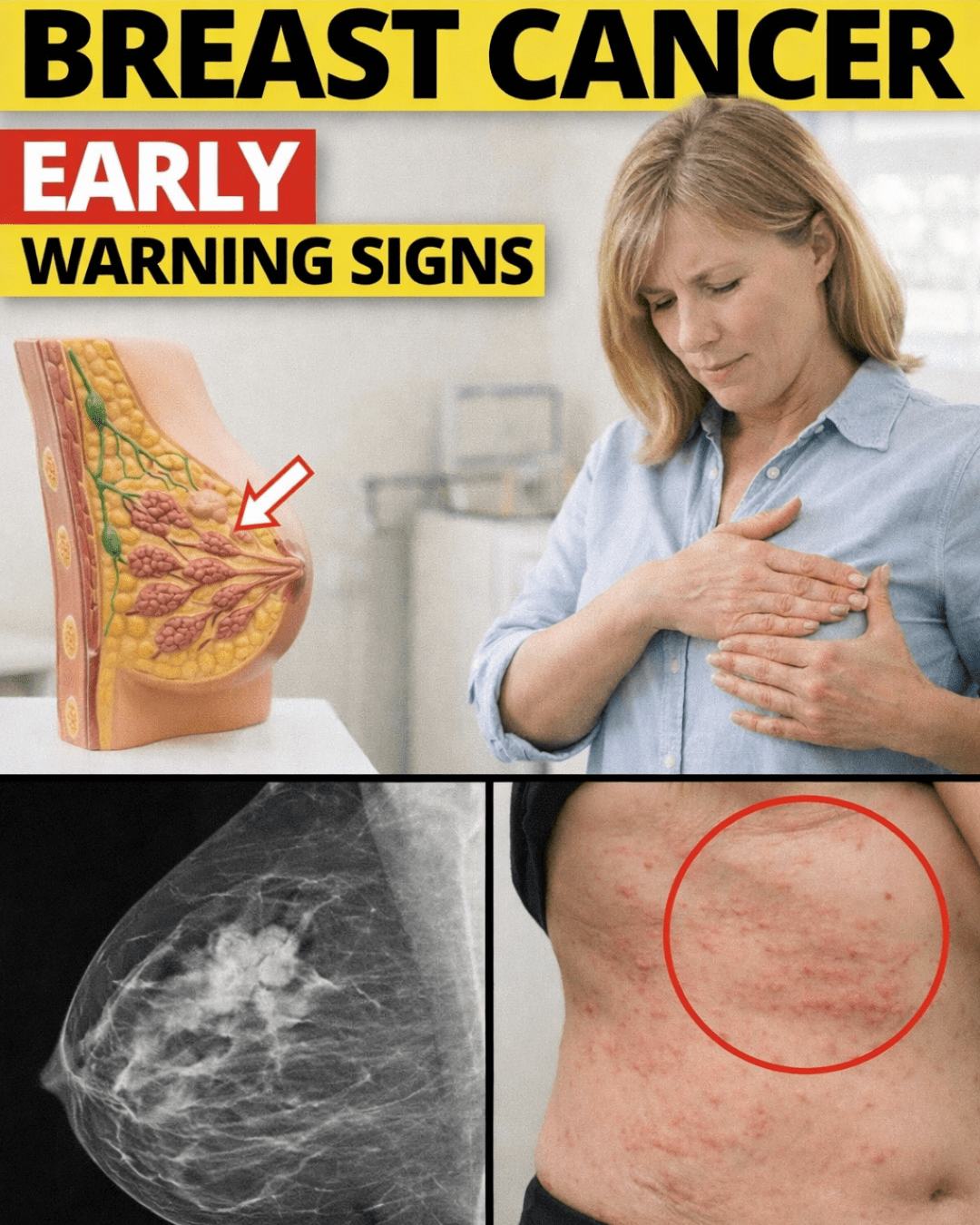
Imagine stepping out of the shower and noticing one breast feels slightly heavier or looks uneven in the mirror. It’s subtle—not painful, not obvious—and easy to dismiss as hormones, aging, or a poorly fitting bra. Many women notice these quiet changes but wait months before acting. By then, what started as an early, treatable issue may have progressed, making treatment more complex and outcomes less favorable. The good news is that recognizing these subtle signs early and seeking prompt medical evaluation can dramatically improve chances for successful outcomes.
One in eight women in the United States will face a breast cancer diagnosis in her lifetime. Recent statistics from the American Cancer Society show that when caught at the localized stage, the five-year relative survival rate exceeds 99%. Yet delays in noticing or acting on changes contribute to cases being found after spread has occurred. In the sections ahead, you’ll learn the 10 most commonly overlooked warning signs—backed by insights from leading health organizations—and real ways to protect yourself starting today.

The Silent Progression: Why Early Signs Get Missed
Breast cancer doesn’t always announce itself with a dramatic lump. Many changes are gradual and mimic everyday issues like irritation or normal hormonal shifts. Research from sources like the American Cancer Society and Mayo Clinic highlights that these subtle clues often appear months or even years before more obvious symptoms.
Women frequently attribute them to benign causes: a new exercise routine, tight clothing, or seasonal allergies. But ignoring persistent, one-sided changes allows time for progression. The encouraging part? Awareness turns hesitation into action—and action saves lives.
But that’s not all. Some signs, like those tied to inflammatory breast cancer, can escalate quickly. Let’s dive into the ones you need to know.

10 Warning Signs of Breast Cancer You Should Never Ignore
Here are the key changes that experts urge women to take seriously, even if they seem minor.
- Unexplained asymmetry—one breast suddenly heavier or larger
If one breast changes size or feels noticeably heavier without explanation, don’t brush it off. Studies, including older research in Breast Cancer Research, suggest significant asymmetry can sometimes be an early indicator. A 2024 update reinforces that any new, persistent difference warrants checking. - Skin dimpling or orange-peel texture (peau d’orange)
Cancer can pull on underlying tissue, creating small pits or a textured appearance like orange peel. Many mistake this for cellulite or dryness. - Persistent itching, redness, or rash on one breast
A rash or itch that stays in one area and doesn’t improve with over-the-counter treatments could signal trouble. It’s often localized, not widespread. - A hard, fixed spot that doesn’t move with the tissue
Unlike normal lumpy areas that shift, a firm, immovable thickening feels different. Even small ones deserve attention. - New, ongoing pain in one breast or nipple unrelated to your cycle
Breast tenderness comes and goes with hormones for many. Constant, localized pain that lingers for weeks is different. - Swelling or warmth in all or part of the breast without a clear lump
The breast may feel full, tight, or unusually warm—common in inflammatory types. - Nipple inversion or flattening that develops suddenly
If your nipple was never inverted before and now pulls inward, seek evaluation quickly. - Changes to the nipple or areola skin—red, flaky, thickened, or crusted
These resemble eczema but often affect only one side and resist creams. - Unusual nipple discharge—especially bloody, clear, or from one breast only
Spontaneous discharge (not related to breastfeeding) is a frequent prompt for early detection. - Swollen or firm lymph nodes under the arm or near the collarbone
Painless, enlarged nodes can be an early sign of involvement. Many women overlook this area entirely.
These signs come from trusted sources like the CDC, American Cancer Society, and Mayo Clinic, which list similar changes as reasons to contact a healthcare provider right away.

A Closer Look: Inflammatory Breast Cancer (IBC)—The Fast-Moving Threat
Inflammatory breast cancer is rare but aggressive, accounting for 1-5% of cases. It rarely causes a lump—instead, the breast becomes red, swollen, warm, and heavy, often within weeks. It mimics infection, leading many to try antibiotics first.
Survival rates improve significantly with early intervention, though overall figures remain lower than for other types due to its rapid nature. If these symptoms appear suddenly, insist on prompt evaluation to rule out IBC.
Here’s a quick comparison of how early detection impacts outcomes (based on general data from the American Cancer Society):
| Sign/Stage at Detection | Approximate Frequency as First Clue | 5-Year Relative Survival Rate (Approximate) |
|---|---|---|
| Localized (early, no spread) | — | >99% |
| Classic lump (movable) | Common | High (Stage 1) |
| Skin changes/dimpling | ~20-25% | ~90-95% |
| Swollen lymph nodes | Varies | ~85-90% (if regional) |
| Inflammatory breast cancer | 1-5% | 40-50% (overall, improves with early action) |
Knowing these differences underscores why no change is too small to check.

What to Do Right Now: 5 Actionable Steps for Early Detection
Don’t wait for your next annual exam. Take control today with these practical steps:
- Contact your doctor immediately if you notice any of the signs above—same day if possible.
- Request a clinical breast exam plus imaging—diagnostic mammogram and/or ultrasound (better for dense tissue or IBC concerns than screening alone).
- Document changes—take dated photos in consistent lighting to show progression clearly.
- Do a quick monthly armpit check—gently roll fingers in the armpit and toward the collarbone to feel for firm nodes.
- Review family history—if close relatives had breast cancer, discuss genetic counseling options.
Regular self-awareness complements screening. About 1 in 6 cancers appear between mammograms—your vigilance bridges that gap.
Final Thoughts: One Small Action Can Change Everything
You’ve now read the signs that thousands of women wish they’d known sooner. Tonight, take five minutes: stand in front of a mirror with arms at your sides, then raised overhead. Look and feel for anything unusual. If something seems off, make that call.
Early action doesn’t guarantee outcomes, but it offers the best possible chance. Share this with the women (and men—breast cancer affects them too) you care about. One conversation could make all the difference.
Frequently Asked Questions (FAQ)
What are the earliest signs of breast cancer?
The earliest signs often include subtle changes like asymmetry, skin texture shifts, or persistent one-sided symptoms—long before a noticeable lump.
Can breast cancer cause pain?
Yes, though many cases are painless. Persistent, non-cyclic pain in one area should prompt a check.
Do mammograms catch everything?
Mammograms are excellent for early detection, but some cancers (especially in dense breasts or IBC) may need ultrasound or clinical exam too.
This article is for informational purposes only and is not a substitute for professional medical advice. If you notice any breast changes, consult a healthcare provider promptly for proper evaluation and guidance. Early detection combined with expert care provides the strongest foundation for positive outcomes.