 By admin
 10 Unexpected Warning Signs Your Kidneys Are Struggling – And Why Early Detection Is Crucial
Globally, millions of adults are affected by chronic kidney disease (CKD), with a significant majority unaware of their condition. Many individuals mistakenly dismiss persistent fatigue, subtle shifts in urination patterns, or swelling as mere consequences of aging or daily stress. These understated indicators of kidney problems frequently go unnoticed until substantial damage has already occurred. The encouraging news? Recognizing these early signs can profoundly influence your long-term health and well-being. Continue reading to uncover 10 common yet surprising symptoms of kidney dysfunction, explained simply, along with practical steps you can take.
Why Kidney Problems Often Go Unnoticed
Your kidneys perform vital functions daily, silently filtering waste products, maintaining fluid balance, and helping to regulate blood pressure. When their efficiency begins to falter, the initial signs of renal issues can be easily overlooked. Research indicates that the kidneys can lose up to 75% of their functional capacity before overt symptoms manifest. This silent progression is precisely why many only discover kidney disease during routine medical screenings or when severe complications emerge. The sooner you identify potential kidney health concerns, the greater your opportunity to slow or manage any progression of decline. Let’s delve into the most frequently missed signals.
The 10 Unexpected Warning Signs Your Kidneys Need Attention
1. Frequent Urination, Especially at Night
Waking up multiple times during the night to urinate, or experiencing a heightened urge to go more often throughout the day, can be an early indicator of kidney dysfunction. Healthy kidneys efficiently concentrate urine; however, when their filtering ability diminishes, they may struggle to do so, leading to increased urine output.
- What to notice: Consistently needing to urinate more than 2–3 times per night for several consecutive weeks.
2. Persistent Foamy or Bubbly Urine
While occasional bubbles in urine are normal, persistent foam that does not dissipate quickly can signal the presence of protein leaking into the urine – a common marker of early kidney damage. Studies, including those published in the American Journal of Kidney Diseases, highlight that proteinuria frequently emerges before significant loss of kidney function.
- What to notice: Persistent, champagne-like foam in the toilet bowl that lingers after flushing.
3. Unrelenting Fatigue That Rest Doesn’t Resolve
Profound tiredness, despite adequate sleep, is among the most commonly reported symptoms of kidney disease. Impaired kidneys produce less erythropoietin, a crucial hormone responsible for stimulating red blood cell production. This deficiency can lead to anemia, resulting in constant exhaustion. Many attribute ongoing fatigue to busy lifestyles or aging, but it warrants medical evaluation if persistent.
- What to notice: Deep-seated tiredness or lack of energy that isn’t relieved by rest, impacting daily activities.
4. Difficulty Falling or Staying Asleep
The accumulation of toxins and shifts in fluid balance, typical with declining renal function, can disrupt normal sleep patterns. Some individuals also experience restless legs syndrome or develop difficulty breathing when lying flat – both potential indicators of kidney health issues.
- What to notice: Chronic insomnia, restless legs at night, or shortness of breath when lying down.
5. Intense, Unexplained Skin Itching
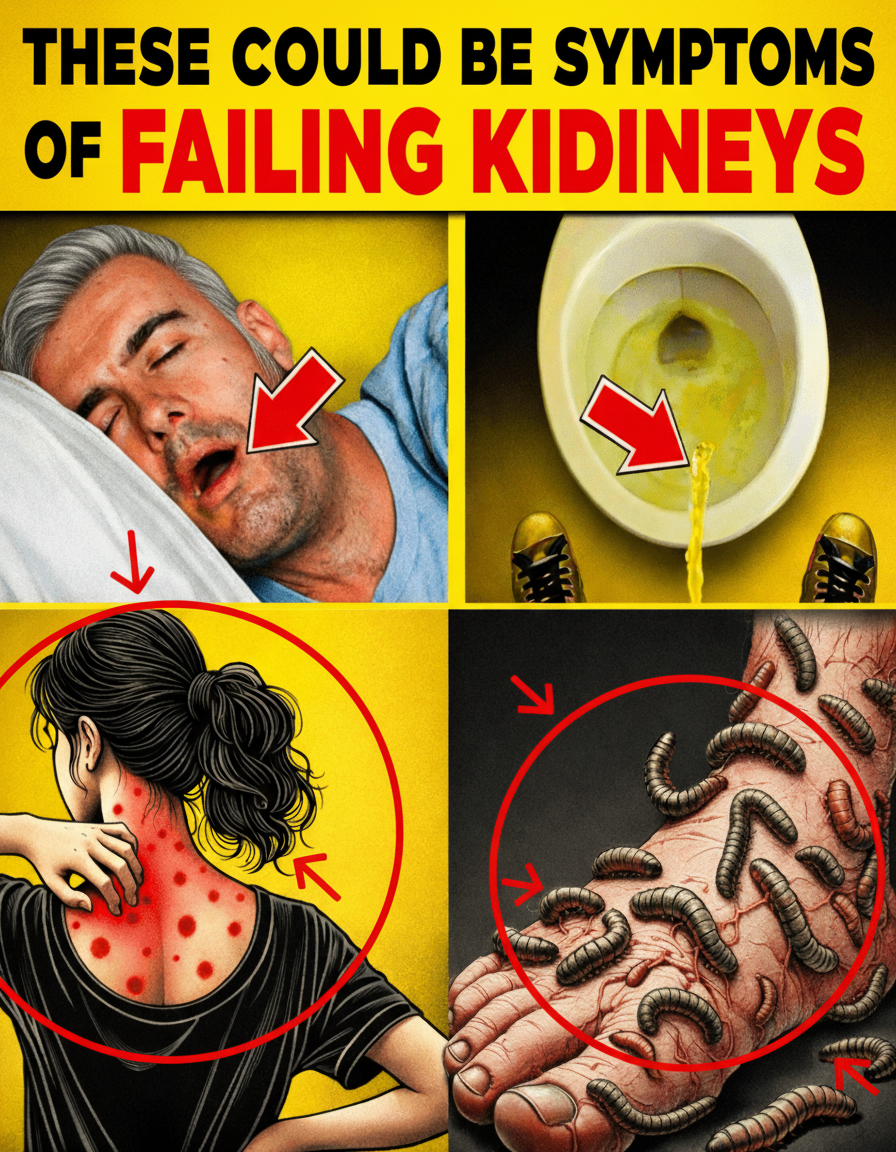
When the kidneys are unable to properly eliminate certain waste products, substances like phosphorus can build up in the bloodstream, leading to severe skin irritation. This persistent itching often feels distinctly different from typical dry skin or allergic reactions.
- What to notice: Persistent, widespread itching without a visible rash or obvious cause.
6. Swelling in Legs, Ankles, Feet, or Face
Kidneys play a vital role in regulating sodium and water levels in the body. When they struggle, excess fluid can accumulate in tissues, causing noticeable puffiness, particularly around the ankles, feet, or eyes. While often attributed to prolonged standing or salty meals, persistent swelling (edema) can be a clear sign of impaired kidney function.
- What to notice: Visible puffiness or swelling, especially in the lower extremities or around the eyes, that doesn’t resolve.
7. Loss of Appetite and a Metallic Taste in the Mouth
The buildup of waste products in the body can alter taste perception, frequently resulting in a metallic or ammonia-like flavor in the mouth. This unpleasant taste often leads to a reduced appetite and, consequently, unintended weight loss.
- What to notice: Food tasting unusual or unpleasant, a persistent metallic or ammonia taste, and noticeable reduction in appetite.
8. Ongoing Nausea or Upset Stomach
Accumulated toxins in the body can trigger frequent nausea and an upset stomach, even when no food has been consumed. Some individuals report feeling queasy first thing in the morning or experiencing digestive discomfort after consuming even small meals.
- What to notice: Persistent feelings of nausea, morning sickness, or frequent stomach upset without apparent cause.
9. Persistent Bad Breath That Won’t Go Away
A distinctive chemical or ammonia-like breath odor, persisting despite good oral hygiene, can develop when urea builds up in the blood. This excess urea is then released through the lungs, causing the unusual breath.
- What to notice: A strong, unpleasant breath odor that smells like ammonia or chemicals, not resolved by brushing.
10. Muscle Cramps, Twitches, or Hand Tremors
Imbalances in key electrolytes, particularly calcium, magnesium, and potassium, can occur when kidney function declines. These imbalances can manifest as involuntary muscle cramps, twitches, or even shaky hands – subtle yet important indicators of potential kidney problems.
- What to notice: Frequent, unexplained muscle cramps, involuntary twitches, or tremors in the hands.
Quick Reference: Early Indicators of Kidney Issues
| Sign | Possible Kidney Connection | What to Watch For |
| Frequent nighttime urination | Kidneys struggling to concentrate urine | Consistent need to urinate 2–3+ times nightly |
| Foamy urine | Protein leakage (proteinuria) | Persistent bubbles that don’t quickly disappear |
| Persistent fatigue | Reduced red blood cell production (anemia) | Tiredness unalleviated by adequate rest |
| Trouble sleeping | Toxin accumulation, fluid imbalances | Restless nights, difficulty breathing when lying flat |
| Intense itching | Phosphorus buildup irritating skin | Generalized itch without a visible rash |
| Swelling (edema) | Fluid retention due to impaired sodium/water balance | Puffiness in ankles, feet, face, or around eyes |
| Metallic taste/Loss of appetite | Waste product accumulation affecting taste buds | Food tasting “off,” significant reduction in hunger |
| Nausea/Upset stomach | Toxin effects on the digestive system | Frequent queasiness, particularly in the morning |
| Bad breath | Urea buildup released via lungs | Persistent ammonia-like or chemical breath odor |
| Muscle cramps/Twitches | Electrolyte imbalances (calcium, magnesium, potassium) | Unexplained cramps, involuntary muscle movements, tremors |