 By admin
 10 Power Foods for Stable Blood Sugar: A Natural Approach to Glucose Management
For countless individuals, particularly those navigating prediabetes or type 2 diabetes, maintaining consistent blood sugar levels presents an ongoing challenge. Erratic glucose spikes and drops often lead to frustrating symptoms like fatigue, irritability, and persistent hunger shortly after meals, making it difficult to sustain energy and concentration throughout your day. The encouraging news is that strategic dietary choices can significantly impact your metabolic health. By prioritizing nutrient-dense foods, you can empower your body to process glucose more effectively and maintain greater stability. Extensive research consistently highlights that a balanced diet rich in fiber, beneficial fats, lean protein, and specific plant compounds plays a crucial role in effective blood sugar management. This comprehensive guide will delve into 10 remarkable foods, each scientifically recognized for its potential to naturally foster healthy blood sugar. Join us as we uncover these powerful allies for your well-being.
Why These Foods Are Essential for Optimal Blood Sugar Control
It’s important to understand that foods beneficial for blood sugar support aren’t ‘miracle cures.’ Instead, they operate through well-established physiological mechanisms. These include slowing down the digestive process, supplying soluble fiber to temper glucose absorption, delivering vital minerals like magnesium to bolster insulin function, and offering potent antioxidants to combat oxidative stress. Reputable health organizations, such as the American Diabetes Association, and comprehensive health platforms like Healthline, frequently publish studies and reviews underscoring how integrating these specific foods can significantly enhance overall metabolic health, often without requiring drastic lifestyle overhauls. Now, let’s explore our curated list.
1. Avocados: The Creamy Regulator
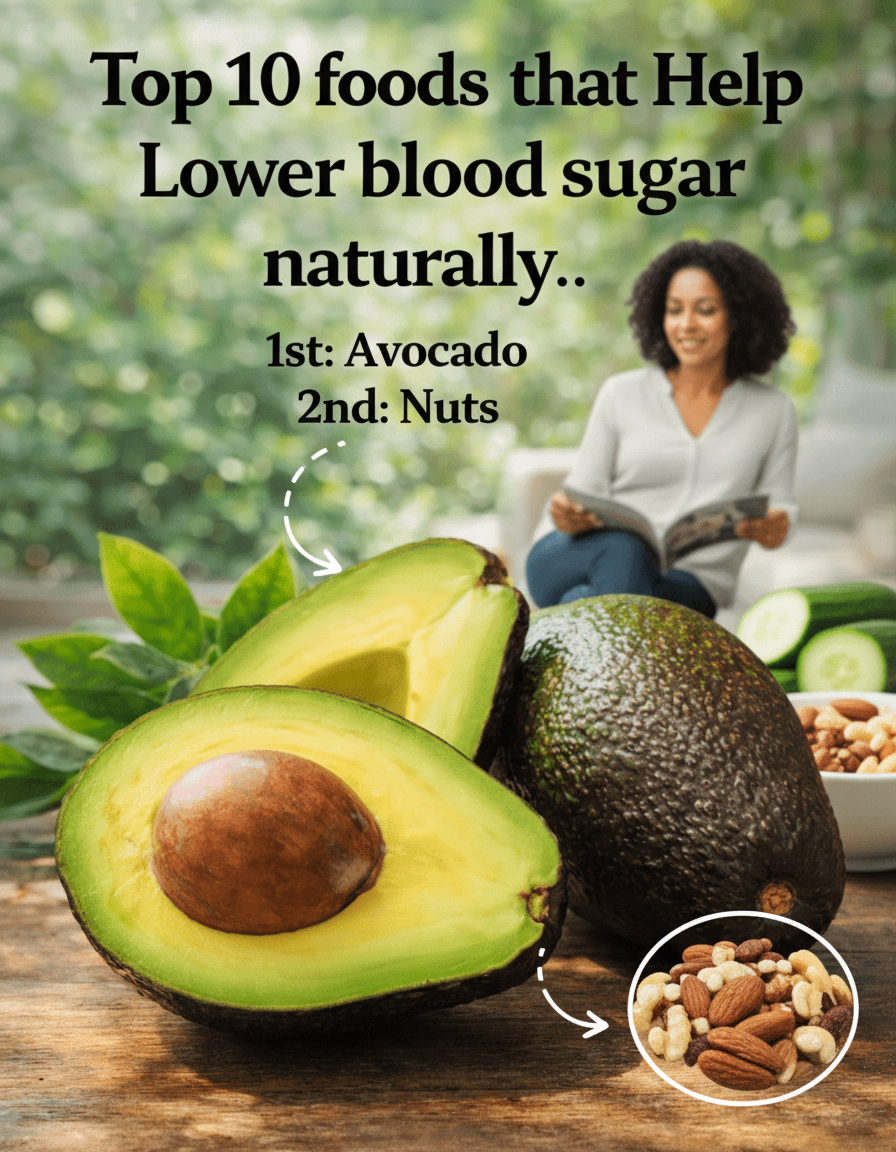
Avocados are celebrated not just for their rich, creamy texture but also for their abundance of heart-healthy monounsaturated fats. These beneficial fats, coupled with a significant fiber content, are instrumental in moderating the rate at which sugars enter your bloodstream. Scientific studies consistently connect regular avocado consumption with enhanced blood sugar regulation and a reduced likelihood of developing metabolic challenges. For instance, research has demonstrated improved glucose outcomes when avocados are incorporated into meals. Their versatility is another major plus: enjoy them mashed on whole-grain toast, sliced into vibrant salads, or as a creamy base for dressings.
2. Broccoli (and Its Mighty Sprouts): A Sulforaphane Source
Broccoli truly lives up to its reputation as a nutritional powerhouse, largely due to its high concentration of sulforaphane. This potent compound has been shown in both human and animal studies to potentially boost insulin sensitivity. To maximize its health benefits, consider lightly steaming or consuming broccoli raw. As a non-starchy vegetable, it offers a low-carb, high-fiber profile, making it an excellent choice for adding bulk to your meals without causing undesirable blood sugar spikes. Incorporate it into colorful stir-fries, roast it with a drizzle of olive oil for a simple yet nutritious side, or even add broccoli sprouts to sandwiches and salads for an extra nutritional punch.
3. Nuts (Almonds, Walnuts, Pistachios): The Smart Snack
Incorporating a modest handful of nuts into your diet delivers a powerful trifecta of protein, healthy fats, and dietary fiber, all of which work synergistically to mitigate post-meal blood sugar surges. Numerous studies have established a link between the regular consumption of nuts, such as almonds and walnuts, and improved fasting and post-meal glucose levels in individuals managing type 2 diabetes. Beyond their health benefits, nuts are incredibly convenient and satisfying, making them an ideal portable snack. Opt for a small serving (approximately 1 ounce) to effectively curb cravings and maintain stable energy.
4. Berries (Blueberries, Strawberries, Raspberries): Sweetness Without the Spike
Berries are a fantastic source of antioxidants, essential vitamins, and fiber, all while having a remarkably low impact on blood sugar levels. Research, including specific studies on raspberries, indicates their capacity to help regulate both insulin and glucose responses following meals. Whether fresh or frozen, these vibrant fruits are incredibly versatile: blend them into smoothies, stir them into yogurt or oatmeal, or simply enjoy them on their own as a naturally delicious and guilt-free sweet treat.
5. Leafy Greens (Kale, Spinach, Swiss Chard): Nutrient-Dense Foundation
Dark, leafy greens such as kale, spinach, and Swiss chard are celebrated for being incredibly low in calories, exceptionally rich in fiber, and packed with magnesium – a mineral crucial for supporting healthy insulin function. Studies suggest that incorporating these greens into your diet can help temper blood sugar spikes, especially when consumed alongside meals higher in carbohydrates. They are wonderfully adaptable: quickly sauté them, blend them into nourishing smoothies, or use them as a robust base for salads to naturally enhance the volume and nutritional value of your meals.
6. Beans and Lentils: Legumes for Lasting Stability
Legumes, encompassing a variety of beans and lentils, are powerhouses of soluble fiber, plant-based protein, and resistant starch. This formidable combination works to slow down digestion and significantly improve post-meal glucose responses. Extensive research consistently links the regular consumption of these legumes to superior long-term blood sugar management and a reduced risk of developing diabetes. They are excellent additions to hearty soups, refreshing salads, or comforting chili. If you’re new to incorporating them, begin with smaller portions to gradually acclimate your digestive system and prevent potential bloating.
7. Oats (Steel-Cut or Rolled): The Sustained Energy Grain
Oats, particularly the steel-cut or rolled varieties, are renowned for their beta-glucan content, a specific type of soluble fiber. This fiber is highly effective at reducing both glucose and insulin spikes that typically occur after meals. Comprehensive analyses of numerous clinical trials have demonstrated that regular oat consumption can lead to improvements in HbA1c levels and lower fasting blood sugar. For a convenient and sustained-energy breakfast, consider preparing overnight oats, perhaps topped with some berries and nuts.
8. Fatty Fish (Salmon, Sardines, Mackerel): Omega-3 Powerhouse
Fatty fish varieties like salmon, sardines, and mackerel are exceptional sources of both beneficial omega-3 fatty acids and high-quality protein. These nutrients collectively play a vital role in regulating post-meal glucose responses. A notable study indicated that consuming weekly servings of fatty fish led to improved glucose handling when compared to diets featuring lean proteins. Aim to incorporate at least two servings of these healthy fish into your diet each week; they can be deliciously grilled, baked, or flaked into salads.
9. Apples: The Fiber-Rich Fruit
An apple a day might do more than keep the doctor away; it can also support healthy blood sugar. Apples are rich in pectin, a soluble fiber that aids in slowing down digestion and the absorption of glucose, thereby helping to prevent rapid blood sugar spikes. Furthermore, they contain beneficial polyphenols, which are antioxidants that may improve insulin sensitivity. Enjoy them whole as a convenient snack, slice them into oatmeal, or add them to salads for a touch of natural sweetness and crunch.
Integrating These Foods into Your Daily Routine
Embracing these 10 powerful foods is a proactive step towards achieving better blood sugar management and overall metabolic health. The key lies in consistent, mindful integration rather than drastic, temporary changes. Start by making small, sustainable swaps: swap sugary snacks for a handful of nuts or berries, add leafy greens to every meal, or choose oats for your breakfast. Remember, a balanced diet, combined with regular physical activity and a healthy lifestyle, forms the most effective strategy for naturally supporting stable blood sugar levels. By making informed choices, you empower your body to thrive.