 By admin
 Peripheral neuropathy, a condition affecting nerves outside the brain and spinal cord, becomes increasingly prevalent as we age. Many individuals over 60 often experience unusual sensations like tingling, numbness, or discomfort in their hands and feet, frequently dismissing these as mere consequences of getting older or poor circulation. However, recent medical insights underscore that this condition can significantly impact a large segment of the older adult population, potentially leading to challenges with balance, daily activities, and overall quality of life. Ignoring these subtle changes might allow nerve damage to advance silently. This article delves into crucial signs of peripheral neuropathy, supported by medical understanding, highlights the importance of early awareness, and provides actionable steps for discussing concerns with your healthcare provider. Pay close attention to one particular sign—it’s often missed but can unveil unexpected underlying health risks.
Understanding Peripheral Neuropathy: Why It’s Often Missed in Older Adults
As individuals reach their 60s and beyond, everyday discomforts or fatigue can easily be attributed to the natural aging process. Yet, extensive research indicates that peripheral neuropathy affects a significant number of older adults. For instance, a 2025 study utilizing the Michigan Neuropathy Screening Instrument reported a prevalence of approximately 62% in very old adults (with a median age of 84), even among those without diabetes. Other estimates suggest that 26-39% of individuals aged 70 and older are affected, with incidence rates rising further with age due to factors like age-related nerve changes, common medical conditions, or lifestyle influences.
This type of nerve damage targets the peripheral nerves, which are responsible for transmitting signals between the central nervous system and the rest of the body. It commonly begins in the body’s longest nerves—those extending to the toes and fingers. The early indicators tend to emerge gradually, making them easy to disregard. If left unaddressed, peripheral neuropathy can contribute to reduced mobility, an elevated risk of falls, and minor injuries that go unnoticed. Studies have consistently linked it to increased fall rates and a diminished quality of life in older populations. The encouraging news is that recognizing these patterns early opens the door to more effective conversations with medical professionals. Many individuals find significant relief through lifestyle adjustments or targeted management strategies once the condition is properly identified.
What Exactly Is Peripheral Neuropathy?
Peripheral neuropathy fundamentally involves damage or dysfunction of the nerves that relay information between the brain and spinal cord (the central nervous system) and the rest of the body. This damage can affect different types of nerves:
- Sensory nerves: Responsible for sensations like touch, pain, temperature, and vibration.
- Motor nerves: Control muscle movement.
- Autonomic nerves: Regulate automatic bodily functions such as heart rate, digestion, and blood pressure.
In older adults, it frequently manifests in a “stocking-glove” pattern, meaning symptoms typically begin in the feet and hands before potentially spreading upwards. Common contributing factors include age-related wear and tear on nerves, nutritional deficiencies (like certain vitamin deficiencies), diabetes, autoimmune diseases, infections, and other health conditions, though the underlying causes can vary widely.
10 Subtle Signs of Peripheral Neuropathy Over 60 You Shouldn’t Ignore
Here are 10 common indicators that medical research and clinical observations frequently highlight. These often start subtly but can progressively worsen over time, making early detection crucial.
1. Persistent Burning or Hot Sensations, Especially in the Feet at Night
Many individuals report a distinct burning feeling, particularly in their feet, which tends to intensify when resting or lying down. Research in pain management notes this symptom in a high percentage of cases involving small nerve fiber damage. During the day, distractions might mask it, but evenings often bring this discomfort to the forefront. Even the lightest touch of bedsheets or blankets can feel irritating or painful.
2. Constant Tingling or “Pins and Needles”
This early, prickling sensation commonly begins in the toes or fingertips. Neurological sources frequently cite it as one of the most reported initial signs, affecting 70-80% of patients in various studies. While it might come and go, its persistence signals abnormal nerve firing and should not be dismissed.
3. Gradual Numbness or Reduced Feeling
Affected areas may progressively feel less sensitive to touch, temperature changes, or pain. Extensive research, particularly in diabetes care, links this reduced sensation to a higher risk of unnoticed injuries, as simple tasks like feeling textures underfoot or detecting a cut become harder to perceive.
4. Sudden Electric-Shock-Like Jolts or Shooting Pains
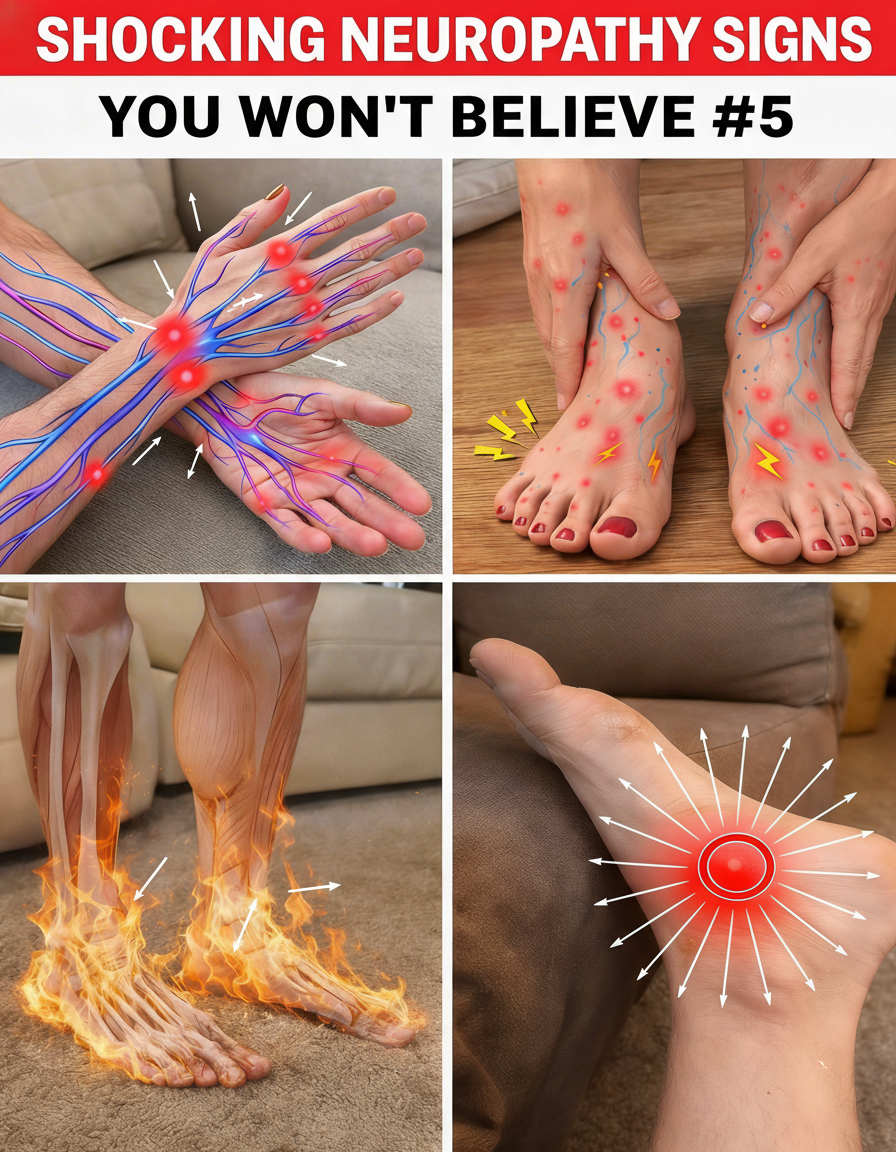
Sharp, sudden, and intense shooting pains can strike unexpectedly, feeling like an electric shock. These lancinating sensations are often associated with larger nerve fiber involvement or nerve compression, according to findings in pain journals.
5. Loss of Temperature Sensitivity (The Often-Missed Sign)
A surprising yet critically important sign is difficulty distinguishing between warm and cold temperatures. Small fiber nerve damage can impair the ability to sense temperature differences, significantly increasing the risk of accidental burns or frostbite without warning. Simple home checks, such as testing with warm and cool objects, can help identify this early change.
6. Muscle Weakness or a Feeling of Heaviness
Individuals may notice their legs or hands feeling weaker or unusually heavy, potentially leading to issues like foot drop (difficulty lifting the front part of the foot) or problems with grip strength. Studies in muscle and nerve disorders indicate this affects 40-50% of chronic cases, impacting walking ability or the performance of fine motor tasks.
7. Balance Problems and Unsteadiness
Reduced sensation and impaired proprioception (the body’s awareness of its position in space) contribute to increased wobbliness and difficulty maintaining balance. Gait research consistently demonstrates significantly higher fall rates—up to 3-4 times—in individuals affected by peripheral neuropathy, making fall prevention a critical concern.
8. Changes in Foot or Hand Appearance
Autonomic nerve damage can manifest in subtle but noticeable changes to the skin, hair, and nails in the affected extremities. This might include dry, scaly skin, reduced hair growth on the feet or lower legs, or brittle nails. These changes occur because autonomic nerves help regulate blood flow and sweat glands, and their dysfunction can alter local tissue health.
9. Difficulty with Fine Motor Skills or Grip
Beyond general weakness, some individuals experience specific challenges with precision tasks. This could involve struggling to button shirts, pick up small objects, tie shoelaces, or maintain a firm grip on items. These difficulties point to motor nerve involvement affecting dexterity and coordination, significantly impacting daily independence.
10. Unexplained Aches, Tenderness, or Hypersensitivity to Touch
Beyond the burning or shooting pains, some people experience a dull, persistent ache in their limbs or an unusual tenderness to light touch (allodynia). Even gentle pressure from clothing or bedding can be uncomfortable. This hypersensitivity indicates an altered pain response due to nerve damage, where non-painful stimuli are perceived as painful.
When to Consult Your Doctor
Recognizing these signs is the first step. If you or a loved one over 60 are experiencing any of these symptoms, especially if they are persistent, worsening, or affecting daily life, it is crucial to schedule an appointment with a healthcare provider. Early diagnosis of peripheral neuropathy can lead to more effective management, help alleviate symptoms, and prevent further complications. Don’t dismiss new or unusual sensations as simply part of aging; they could be your body’s way of signaling a treatable condition.