 By admin
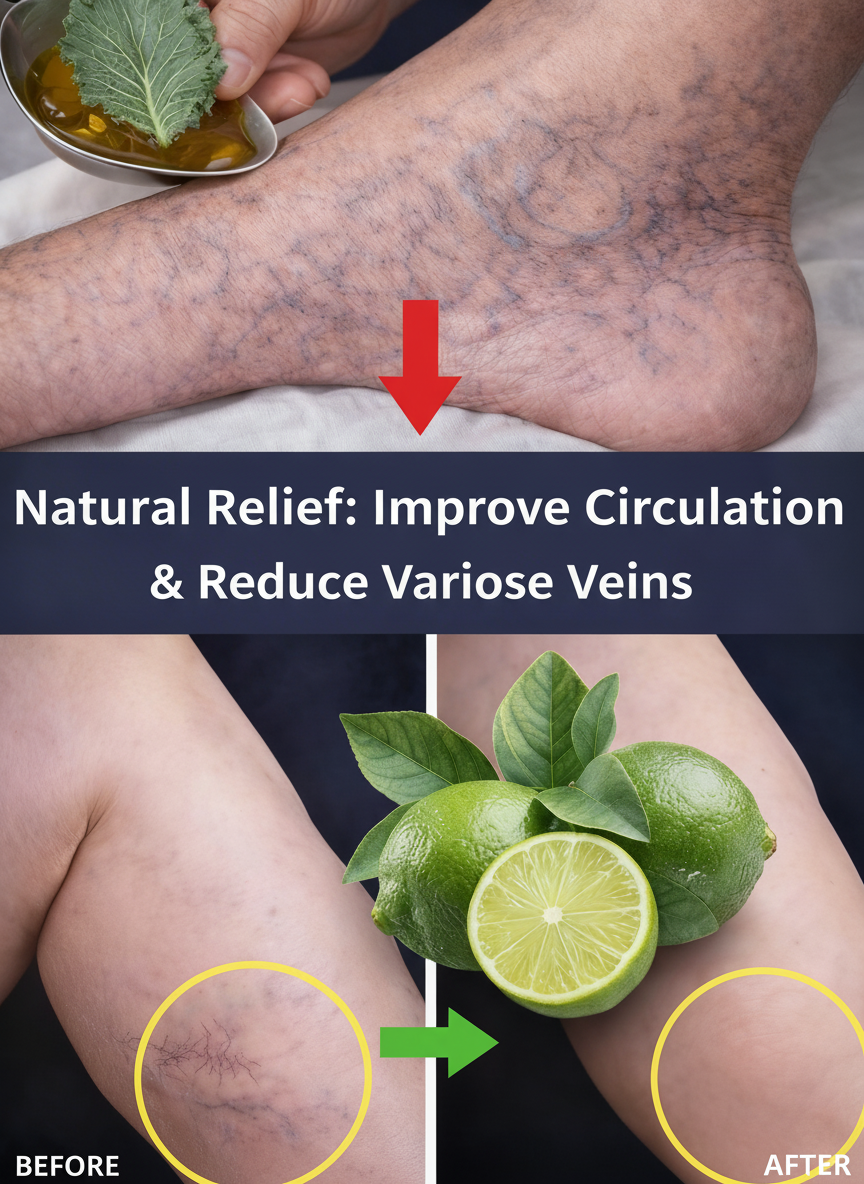
 Standing up after a long day often leaves you with that heavy, achy sensation in your legs, especially when varicose veins are part of the picture. Those twisted, bulging blue or purple lines can make you feel self-conscious and uncomfortable. The swelling, pain, and fatigue from varicose veins can turn simple tasks into exhausting challenges, particularly with age, pregnancy, or long hours of standing and sitting. Fortunately, incorporating natural lifestyle steps can significantly support vein health and promote better blood flow, potentially easing the daily discomfort. Let’s explore 10 practical, evidence-informed ways to nurture healthier veins.
10. Stay Hydrated Throughout the Day
Dehydration thickens your blood, making it harder for veins already struggling with varicose veins to push blood upward against gravity. This can intensify the heavy, tired feeling that plagues many. Proper hydration supports blood volume and flow. Aim for at least 8 glasses of water daily, or more if you’re active. You might notice a subtle lift in energy and less leg heaviness. Hydration lays the foundation for improved vein health.
9. Choose Low-Heel Shoes and Loose Clothing
Tight pants or high heels restrict blood return from your legs, worsening the pooling and achiness associated with varicose veins. Switching your wardrobe can make a noticeable difference in your daily comfort. Experts recommend low-heeled shoes and avoiding restrictive clothing around the waist, legs, or groin. This allows for better circulation and may reduce evening swelling.
8. Elevate Your Legs Regularly
Lying back with your legs propped higher than your heart lets gravity assist in draining fluid away from affected areas. This classic method can quickly reduce the pressure and swelling. Try it for 15-20 minutes several times a day. Many people report lighter, more comfortable legs after regular elevation.
7. Incorporate Gentle Massage Techniques
Light upward strokes from ankle to thigh may help break up minor fluid buildup and encourage venous return. The soothing touch provides temporary relief from the constant heaviness. Combined with elevation, this technique offers quick comfort for symptoms. Always use very gentle pressure to avoid any irritation to the skin near varicose veins.
6. Wear Compression Stockings Daily
Graduated compression stockings apply gentle pressure, strongest at the ankle, to help veins and muscles move blood upward. Think of them as a daily supportive hug for your legs. Research shows that knee-high options in the 18-21 mmHg range may reduce pain and aching after consistent use. Many users experience less swelling and fatigue.
5. Add Flavonoid-Rich Foods to Your Plate
Berries, citrus, grapes, and dark leafy greens are packed with flavonoids that may strengthen vein walls and reduce inflammation. Enjoying these foods regularly can quietly support circulation. Research links these compounds to better venous health. You might notice reduced puffiness over time.
4. Commit to Regular Low-Impact Exercise
Activities like walking, swimming, or cycling activate your calf muscles—the natural pump that helps blood flow back up. A daily brisk walk can melt away some of that end-of-day ache. Regular low-impact exercise boosts circulation, helps manage weight, and supports overall vein health.
By consistently integrating these natural strategies into your daily routine, you can significantly support your vein health and reduce the discomfort associated with varicose veins. Remember, a holistic approach often yields the best results for long-term well-being.