 By admin
 10 Natural Strategies to Alleviate Varicose Veins and Enhance Blood Circulation
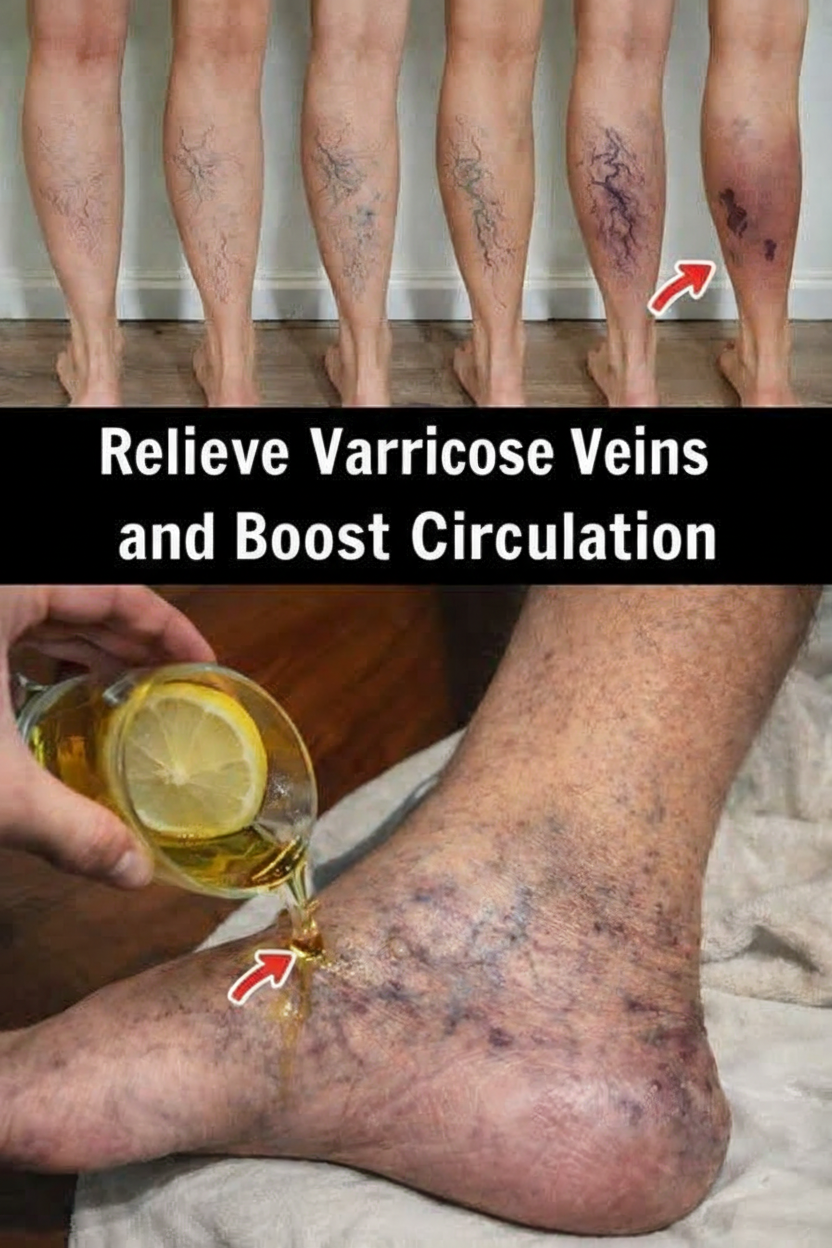
Varicose veins, characterized by enlarged, twisted, and often bulging veins typically found in the legs, are a remarkably common condition, particularly affecting individuals over the age of 40–50. This condition arises when the valves within the veins weaken, causing blood to pool rather than efficiently returning to the heart. While severe cases may necessitate medical interventions such as sclerotherapy, laser treatment, or surgery, many individuals successfully manage mild to moderate varicose veins and significantly improve their overall blood circulation through consistent application of natural methods.
Below, we present 10 evidence-informed, practical strategies. These approaches are designed to bolster vein health, mitigate inflammation, strengthen vein walls, and optimize blood flow. It’s important to note that results are typically gradual, appearing over weeks to months, and are most effective when these methods are combined.
1. Elevate Your Legs Regularly (For Immediate Relief)
The force of gravity naturally causes blood to accumulate in the lower extremities. By elevating your legs above heart level, you can effectively facilitate the drainage of pooled blood and alleviate pressure on fragile vein walls. This method offers some of the best immediate relief for discomfort.
- How to do it: Lie down and comfortably prop your legs on pillows or against a wall for 10–20 minutes, 2–3 times daily. This is especially beneficial after extended periods of standing or sitting.
- Evidence: Both clinical guidelines from reputable organizations like the Society for Vascular Surgery and numerous studies confirm that regular leg elevation markedly reduces leg swelling and discomfort associated with venous insufficiency.
2. Utilize Medical Compression Stockings
Graduated compression stockings (typically 15–20 mmHg or 20–30 mmHg) apply gentle, external pressure to the legs. This external support assists the veins and promotes the efficient upward flow of blood back towards the heart.
- How to do it: For optimal benefit, don them first thing in the morning before getting out of bed. Wear them throughout the day and remove them at night. Choose knee-high or thigh-high options based on the location of your affected veins.
- Evidence: A wealth of randomized trials consistently demonstrates that compression stockings are effective in reducing pain, swelling, and slowing the progression of varicose veins.
3. Engage in Targeted Exercise – Activating the Calf Muscle Pump
Your calf muscles play a vital role, often referred to as a “second heart,” in facilitating venous return. Regular physical activity is one of the most potent strategies for both preventing and managing varicose veins.
- Best activities:
- Walking (30–45 minutes daily)
- Ankle pumps (flexing and pointing your feet 20–30 times, several times a day)
- Calf raises
- Swimming or cycling (low-impact options that significantly enhance venous return)
- Evidence: Research consistently shows that engaging in regular aerobic and resistance exercise markedly improves venous return and alleviates associated symptoms.
4. Boost Dietary Flavonoid Intake (Crucial for Vein Wall Integrity)
Flavonoids are powerful plant compounds that fortify collagen within vein walls and enhance the integrity of capillaries. This strengthening effect is key for healthy veins.
- Top sources:
- Citrus fruits (oranges, grapefruits, lemons) – rich in hesperidin
- Berries (blueberries, blackberries, cranberries) – abundant in anthocyanins
- Buckwheat, onions, apples – excellent sources of rutin and quercetin
- Dark chocolate (with ≥70% cocoa) – provides beneficial flavanols
- Target: Strive to consume 2–3 servings of flavonoid-rich foods daily.
- Evidence: Clinical trials have shown that supplements combining hesperidin and rutin can effectively reduce leg swelling and improve vein tone in individuals suffering from chronic venous insufficiency.
5. Maintain Optimal Hydration Levels
Dehydration can cause your blood to thicken, which in turn increases the risk of clotting and elevates pressure within your veins. Proper hydration is fundamental for smooth blood flow.
- How much: Aim for 2–2.5 liters of water daily, adjusting for hot weather or increased physical activity.
- Tip: Infuse your water with slices of cucumber, lemon, or mint for a refreshing flavor boost.
- Evidence: Adequate hydration is proven to improve blood viscosity and support robust overall circulation.
6. Avoid Extended Periods of Standing or Sitting
Remaining in static positions for too long allows blood to pool in the veins of your legs, exacerbating varicose vein symptoms. Regular movement is essential.
- Practical fixes: Take a short walk or perform calf pumps every 30–60 minutes. When standing, periodically shift your weight from one foot to the other. If sitting, use a footrest to slightly elevate your legs.
7. Incorporate Cold & Warm Water Alternating Showers (Kneipp Therapy)
This hydrotherapy technique involves alternating between warm (38–40°C) and cold (15–18°C) water streams on your legs, for 1–2 minutes each, always concluding with cold water.
- Why it helps: This method invigorates circulation, fortifies vein walls, and diminishes swelling. The temperature changes stimulate vascular constriction and dilation, acting as a gentle “workout” for your veins.
- Evidence: A cornerstone of traditional European hydrotherapy, small studies indicate improved venous tone and a reduction in sensations of leg heaviness.
8. Consider Horse Chestnut Seed Extract (Aesculus hippocastanum)
Horse chestnut seed extract stands out as one of the most thoroughly studied herbal remedies for chronic venous insufficiency.
- How it works: Its active compound, aescin, is known to strengthen vein walls and reduce the leakage of fluid into surrounding tissues, thereby decreasing swelling.
- Evidence: Meta-analyses have consistently demonstrated that a standardized extract (typically 300 mg, containing 50–75 mg aescin) taken twice daily significantly reduces leg pain, swelling, and itching.
- Tip: Always opt for standardized supplements that clearly state their “aescin” content. If you are taking blood thinners, consult your doctor before starting this supplement.
9. Explore Butcher’s Broom (Ruscus aculeatus)
Butcher’s Broom is another well-researched botanical known for its positive impact on venous tone.
- How it works: It contains ruscogenins, compounds that induce vasoconstriction (narrowing of blood vessels) and decrease capillary permeability, effectively reducing fluid leakage.
- Evidence: Clinical trials show its efficacy in reducing leg swelling, feelings of heaviness, and pain associated with chronic venous insufficiency.
- Tip: A standardized extract (150–300 mg/day) is typically recommended and is often used in combination with horse chestnut for enhanced effects.
10. Maintain a Healthy Weight and Avoid Restrictive Clothing
Both excess body weight and tight garments can impede healthy blood flow and exacerbate varicose vein symptoms.
- Healthy Weight: Carrying excess abdominal fat places increased pressure on the pelvic and leg veins, hindering proper blood return to the heart. Maintaining a healthy weight significantly reduces this internal pressure.
- Avoid Tight Clothing: Garments that are overly tight around the waist, groin, or legs can restrict circulation and contribute to blood pooling. Opt for loose-fitting clothing that allows for unrestricted blood flow.