 By admin
 Breast cancer continues to be a prevalent health concern for women globally, yet critical early indicators are frequently overlooked or misattributed to less serious conditions. Recognizing these subtle shifts promptly can dramatically improve treatment outcomes and prognosis. All too often, potential symptoms are dismissed as typical signs of aging, benign hormonal fluctuations, or routine discomfort. Imagine the reassurance that comes from identifying a minor change early on. This comprehensive guide outlines 10 crucial early warning signs of breast cancer, supported by leading health organizations, to help you understand what to look for and why timely action is paramount. It’s vital to remember that while these signs warrant attention, they can also indicate non-cancerous conditions. The true strength lies in heightened awareness and proactive medical follow-up.
Understanding why early detection of breast cancer is so vital cannot be overstated. This disease doesn’t always present with obvious symptoms. Reputable health bodies, including the American Cancer Society and the CDC, highlight that many diagnoses occur via routine screenings before any noticeable changes manifest. However, when symptoms do emerge, swift recognition is crucial. Research consistently demonstrates that early identification significantly broadens treatment choices and enhances long-term survival rates. Unfortunately, many public awareness efforts predominantly emphasize the presence of a lump, inadvertently sidelining other important indicators. Gaining a holistic understanding of all potential signs empowers you to be proactive about your health without undue anxiety.
1. A New Lump or Mass in the Breast or Underarm Area
Perhaps the most widely recognized breast cancer symptom is the development of a new lump or mass, either within the breast tissue itself or in the adjacent underarm region. While these masses can vary—some feeling firm with irregular borders, others being softer or more rounded—any newly discovered, persistent lump warrants immediate medical evaluation. It’s important to remember that not all lumps are malignant; many are benign cysts or fibroadenomas. However, monitoring for changes during regular self-exams and noting if a lump appears suddenly or increases in size is crucial. This is often the initial indicator, and it’s worth noting that early-stage cancerous lumps can frequently be painless.
2. Localized Thickening or Swelling in the Breast
Beyond a distinct lump, a noticeable thickening or swelling in a specific part of the breast can also be an early sign of breast cancer. This change might develop gradually, subtly altering the breast’s overall size or contour. Leading medical institutions, such as the Mayo Clinic, emphasize this as a significant early indicator. If one breast appears or feels distinctly different due to swelling, particularly if this change persists beyond your menstrual cycle, it’s advisable to consult a healthcare professional.
3. Noticeable Skin Changes: Dimpling, Puckering, or “Peau d’Orange”
Visual alterations to the breast skin can be a critical breast health alert. Watch for dimpling, puckering, or an unusual texture resembling an orange peel, medically known as “peau d’orange.” This specific appearance results from underlying tissue changes pulling the skin inward. These skin changes may also be accompanied by irritation, redness, or a scaly feel. Such symptoms typically manifest on only one breast and tend to be persistent, signaling a need for prompt medical attention.
4. Alterations in Nipple Appearance or Retraction
Any recent and uncharacteristic changes in your nipple’s appearance warrant attention. This includes a nipple that suddenly begins to turn inward (inversion), flattens out, or shifts in direction. It’s particularly concerning if this is a new development and not a lifelong characteristic. Other potential breast cancer signs related to the nipple involve crusting, flaking, or the development of a rash around the areola that resembles eczema but is confined to that specific area.
5. Unexplained Nipple Discharge
The presence of any nipple discharge, particularly if it’s not related to pregnancy or breastfeeding, should always be investigated by a healthcare provider. This discharge can vary in appearance—it might be clear, bloody, or yellowish. Experts, including those cited by WebMD, consider spontaneous discharge emanating from a single duct, without any manual squeezing, to be a particularly significant warning sign that requires immediate medical assessment.
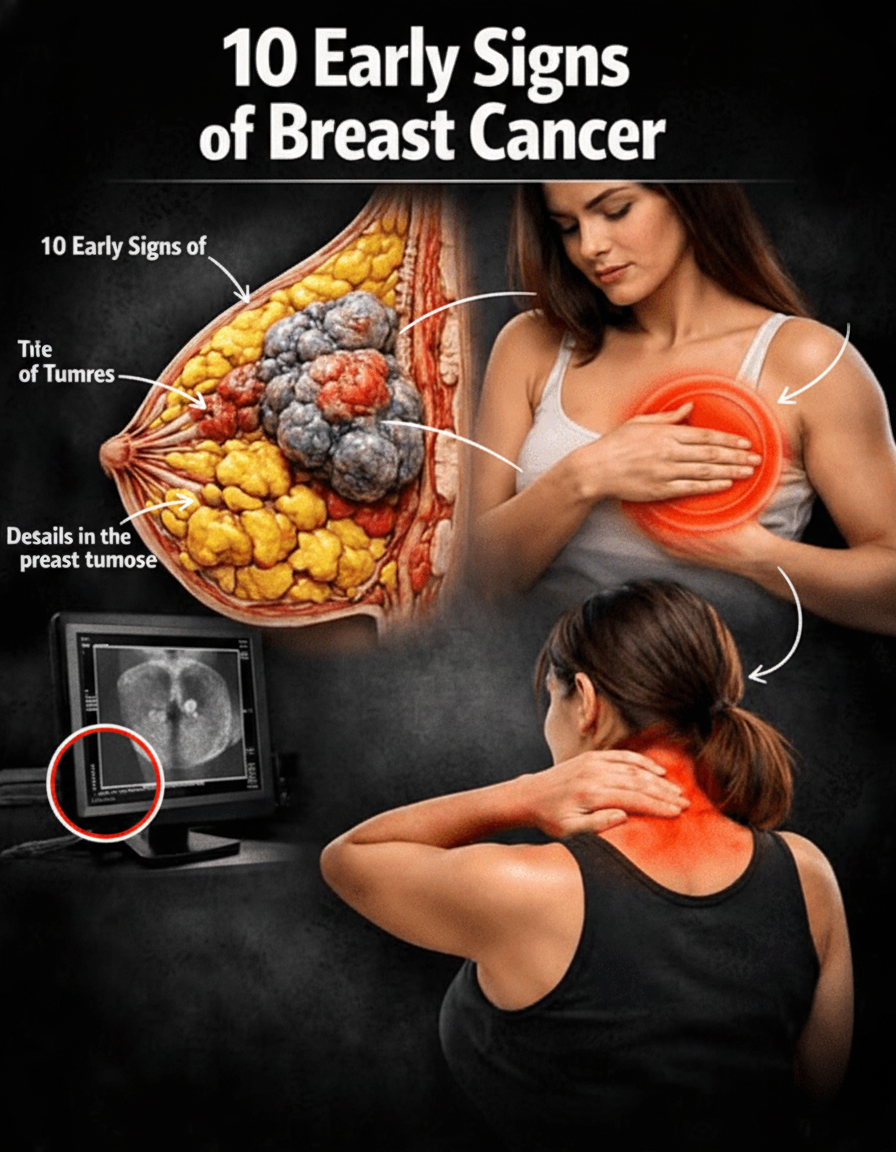
6. Persistent Breast or Nipple Pain
While persistent pain is not the most frequent early indicator of breast cancer, ongoing breast or nipple discomfort, especially if it’s unrelated to your menstrual cycle, should not be ignored. The majority of breast pain cases are benign; however, any persistent, localized tenderness or pain in a specific area of the breast warrants a thorough medical evaluation to rule out more serious conditions.
7. Unexplained Redness, Warmth, or Inflammation of the Breast
If a breast suddenly becomes red, feels noticeably warm to the touch, or appears inflamed—similar to the presentation of an infection—these could be signs of inflammatory breast cancer. This is a less common but highly aggressive form of the disease. These symptoms often progress rapidly, with visible skin changes spreading across the breast within a matter of days or weeks, necessitating urgent medical consultation.
8. Unexplained Changes in Breast Size or Shape
Subtle yet significant breast changes can include one breast unexpectedly increasing or decreasing in size, or developing an altered, asymmetrical contour without any clear explanation. This might manifest as a worsening asymmetry between the breasts or a noticeable difference in how your clothing fits, indicating a need for professional assessment.
9. Swollen Lymph Nodes in the Armpit or Near the Collarbone
The presence of new lumps or swelling in the armpit area or above the collarbone can be a significant warning sign. These enlarged lymph nodes may indicate that breast cancer has spread. It’s important to note that these nodes can feel tender or enlarged even if there are no apparent changes or symptoms within the breast itself, underscoring the importance of checking these areas.
10. Persistent Fatigue or Unexplained Weight Changes (Less Common but Significant)
While not direct breast-specific symptoms, some women diagnosed with breast cancer have reported experiencing unusual, persistent fatigue that doesn’t improve with rest, or unexplained weight loss. These are more generalized symptoms that, when occurring alongside other breast-related changes, can collectively signal a need for comprehensive medical investigation. It’s crucial to consider these broader systemic changes as part of the overall health picture.
Recognizing these early indicators of breast cancer is a powerful step toward proactive health management. While many of these symptoms can be attributed to benign conditions, their persistence or appearance necessitates a prompt consultation with a healthcare professional. Regular self-examinations, awareness of your body, and routine medical check-ups are your best tools in the fight against breast cancer. Don’t hesitate to seek medical advice for any concerns; early detection truly saves lives.