 By admin
 That sharp, persistent ache in your tooth can strike without warning, making simple activities like eating, sleeping, or even concentrating incredibly difficult. What starts as a minor irritation often escalates rapidly, disrupting your entire day and leaving you feeling drained and frustrated. Many individuals instinctively reach for natural options found readily in their kitchen or pantry, seeking temporary comfort while awaiting a professional dental appointment.
It’s crucial to understand that these natural approaches are not a substitute for professional dental care. However, they may offer soothing relief based on centuries of traditional use and some emerging scientific evidence regarding their properties. In this comprehensive guide, we’ll delve into 10 practical, all-natural remedies widely discussed in health and wellness resources. These accessible solutions can provide a much-needed respite from dental discomfort.
Understanding Tooth Discomfort and Why Natural Options Are Sought
Tooth pain typically arises from issues such as irritation within the tooth’s pulp, inflammation of the surrounding gums, or heightened sensitivity due to exposed areas. This discomfort can feel unrelenting, and the wait for a dental appointment often prompts people to explore gentle, at-home methods for management. Common suggestions frequently involve ingredients known for their soothing, cleansing, or cooling effects. Reputable health and dental sources, including those from Healthline and Colgate, often highlight these remedies due to their accessibility and generally safe application. Always remember: these methods are intended for short-term comfort only and should not delay professional dental evaluation.
1. Saltwater Rinse – A Foundational Step for Oral Cleansing
One of the most widely recommended starting points for dental discomfort is a warm saltwater rinse. Dental professionals frequently suggest it because it can help alleviate minor swelling and maintain cleanliness in the affected area.
How to use it effectively:
- Dissolve ½ teaspoon of common table salt into 8 ounces of warm (not hot) water.
- Swish the solution gently around your mouth for approximately 30 seconds.
- Spit it out completely—do not swallow.
- Repeat this process 2–3 times daily, or as needed, to keep the area clean and soothed.
Research indicates that saltwater creates an oral environment less conducive to bacterial growth, which likely contributes to the soothing sensation many people experience.
2. Cold Compress – External Relief for Swelling and Throbbing
Applying a cold compress externally can effectively help to numb the painful area and reduce persistent throbbing. This method works by constricting blood vessels, thereby decreasing inflammation.
Quick guide for application:
- Wrap a few ice cubes or a dedicated cold pack in a thin, clean cloth.
- Hold this compress gently against your cheek, directly over the painful spot, for 15–20 minutes.
- Remove the compress for a break, then repeat the application if relief is still needed.
According to guidelines from institutions like the Mayo Clinic, this temporary constriction of blood vessels often provides noticeable relief from discomfort.
3. Clove Oil – A Time-Honored Remedy for Numbing Sensation
Clove oil is a frequent topic in discussions about dental pain due to its active compound, eugenol, which possesses natural numbing and soothing properties. Some studies have underscored its potential for short-term pain relief.
Safe application guidelines:
- Place a tiny amount of diluted clove oil (mixed with a carrier oil like olive oil) onto a cotton ball.
- Gently apply the cotton ball to the affected tooth or gum area.
- Exercise caution to avoid over-application, as undiluted or excessive clove oil can cause irritation.
Many commercially available over-the-counter dental products incorporate eugenol for its analgesic effects, but it’s always wise to test a very small amount on your skin first to check for sensitivity.
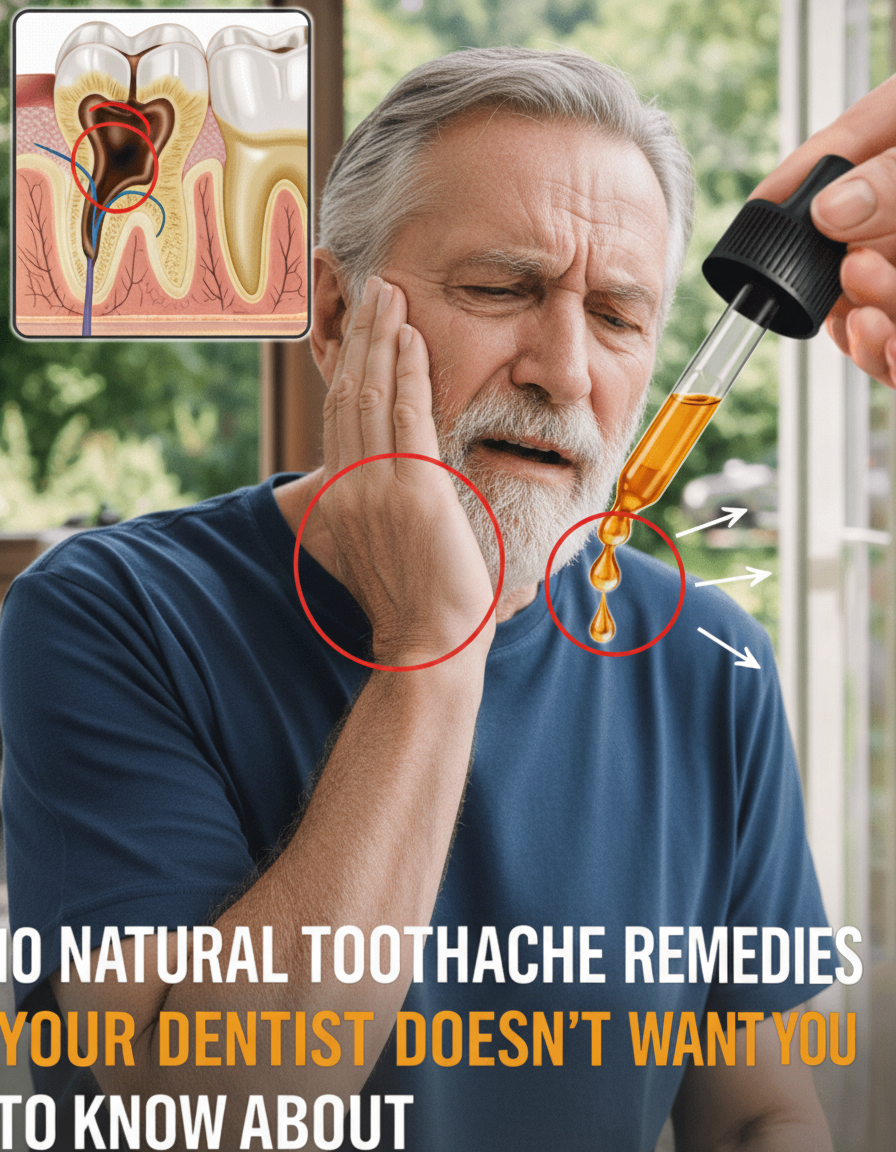
4. Garlic – Harnessing Nature’s Antimicrobial Power
When crushed, garlic releases allicin, a compound widely recognized in health literature for its potent antimicrobial qualities. This makes it a popular natural choice for oral issues.
Simple application method:
- Crush one fresh garlic clove thoroughly.
- Optionally, mix it with a pinch of salt to create a paste.
- Carefully apply the paste to the affected tooth or chew gently on the clove if you can tolerate it.
- Rinse your mouth thoroughly afterward to prevent any lingering odor or potential irritation.
5. Peppermint Tea Bags – A Cooling and Calming Touch
Used peppermint tea bags can provide a mild cooling sensation thanks to their menthol content, offering a refreshing and calming effect on sensitive areas.
How to prepare and use:
- Steep a peppermint tea bag in hot water, as you would for drinking, then allow it to cool down slightly.
- Once warm (not hot), place the tea bag directly onto the sore tooth or gum area for a few minutes.
This simple remedy can feel particularly refreshing and help to soothe localized discomfort.
6. Hydrogen Peroxide Rinse (Diluted) – A Supporting Cleansing Agent
A diluted hydrogen peroxide solution is occasionally recommended for its mild bubbling action, which may assist in cleaning the mouth and potentially reducing bacteria.
Directions for safe use:
- Combine equal parts 3% hydrogen peroxide and water.
- Swish the mixture gently in your mouth for about 30 seconds, then spit it out completely.
- Follow immediately with a thorough rinse of plain water.
Use this solution sparingly and under no circumstances swallow it, as it is intended for occasional, external oral use only.
More Gentle Home Options to Consider
Beyond the primary remedies, here are additional gentle ideas that people often turn to for relief:
- Vanilla Extract: Dab a small amount of alcohol-based vanilla extract onto a cotton swab and apply it to the affected area. Its alcohol content can provide a mild numbing sensation, and some find its scent soothing.
- Guava Leaves: In some traditional cultures, chewing fresh guava leaves or using a rinse made from boiled leaves is a common practice for their soothing and anti-inflammatory properties.
- Wheatgrass Juice: Swishing wheatgrass juice as a mouth rinse is believed by some to offer cleansing and detoxifying effects, potentially aiding in overall oral health and discomfort relief.
- Acupressure: Applying gentle pressure to specific points on your hand, such as the area between your thumb and index finger (known as LI4), can sometimes provide a distraction from pain or even mild relief through traditional acupressure principles.
While these remedies draw from traditional practices and anecdotal reports, the scientific evidence supporting their efficacy can vary. Always prioritize a consultation with a dental professional for persistent or severe toothache.