 By admin
 That intense, throbbing pain in your tooth can appear without warning, making it difficult to concentrate, eat, or even get adequate rest. It often feels relentless, transforming simple activities into significant challenges and leaving you desperate for any form of comfort. While nothing can truly replace professional dental care, many individuals find temporary solace using straightforward, everyday methods that can help alleviate the discomfort until you can consult a dentist. In this guide, we’ll explore 10 accessible options, drawing from widely recommended practices, to help you regain a sense of control immediately. Intriguingly, many of these solutions utilize common household items, and one time-honored method is even supported by scientific research for its potent numbing effects—read on to uncover this standout remedy.
Understanding Tooth Discomfort (And Why Swift Relief Matters)
Tooth pain typically originates from issues such as nerve irritation, inflammation, or the exposure of sensitive dental areas. The good news is that certain simple steps can target inflammation, offer a soothing sensation, or provide a welcome distraction from the ache. These approaches are not cures, but they offer crucial short-term support while you arrange your dental appointment. Scientific literature frequently underscores the significant impact that managing inflammation and maintaining oral hygiene can have on alleviating discomfort.
-
Try a Warm Saltwater Rinse
One of the most straightforward and highly recommended initial steps is rinsing your mouth with warm saltwater. To prepare, mix approximately half a teaspoon of salt into a cup of warm water. Gently swish the solution around your mouth for about 30 seconds, ensuring it reaches the affected area. Be sure to spit it out—do not swallow. You can repeat this process a few times daily as needed. This practice effectively helps to dislodge food particles and may significantly reduce mild swelling, often cited by dental professionals as an excellent first line of defense.
-
Apply a Cold Compress to Your Cheek
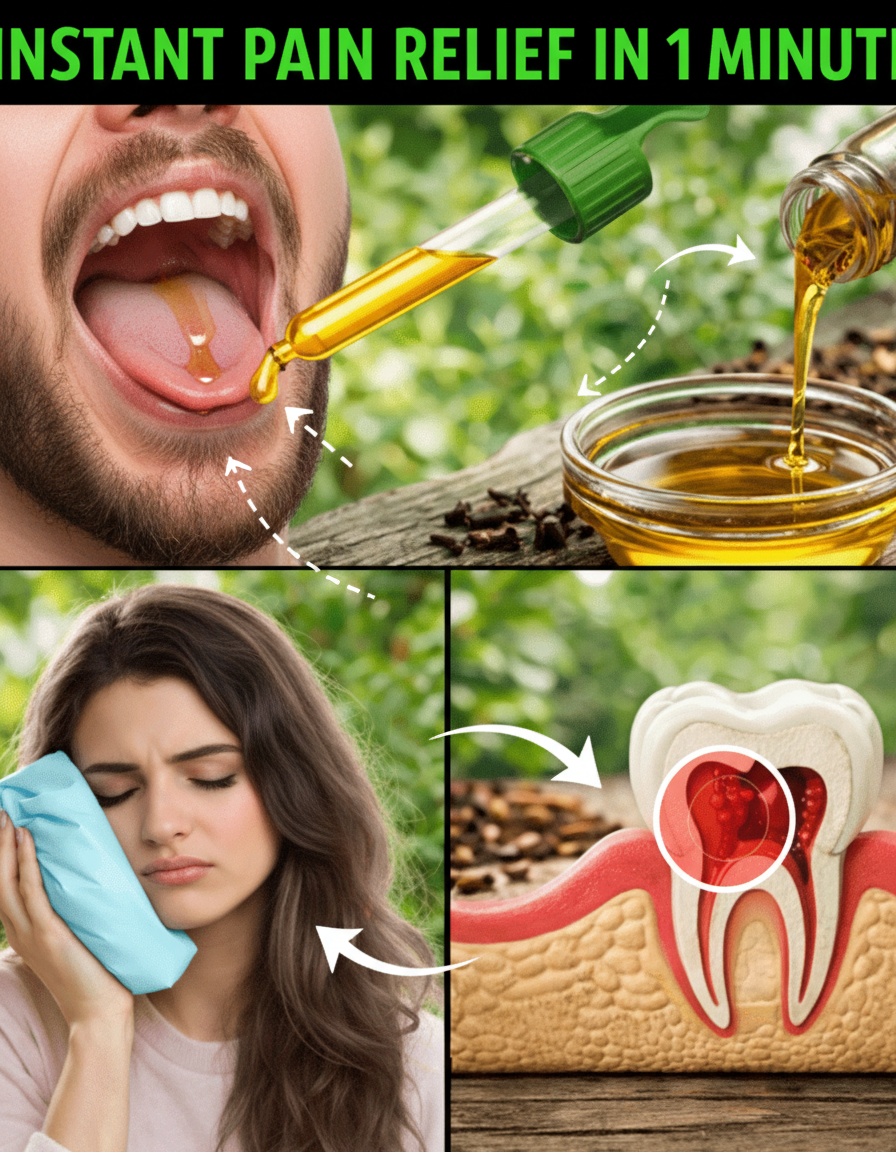
For localized swelling or a pulsating ache, applying cold can help constrict blood vessels and diminish pain sensations. Wrap ice or a frozen item in a thin cloth (never apply ice directly to your skin). Hold this compress against the outside of your cheek, near the painful tooth, for 15-20 minutes. Remember to take breaks to prevent skin irritation. This can be repeated several times throughout the day. Health organizations and studies frequently recommend this method for its ability to quickly reduce inflammation.
-
Explore Clove Oil for Temporary Numbing
Clove oil is frequently highlighted in discussions about natural toothache remedies due to its active compound, eugenol, which possesses natural numbing and anti-inflammatory properties. Dilute a few drops of clove oil with a carrier oil, such as olive oil, to prevent irritation. Dab a small amount onto a cotton ball and gently apply it to the sore spot for a few minutes. Reapply as necessary, but always test for sensitivity on a small area first. Research and anecdotal evidence suggest it can provide noticeable and rapid relief for many individuals, often being one of the fastest-acting natural options available.
-
Rinse with Diluted Hydrogen Peroxide (If Available)
A mild rinse can contribute to improved oral cleanliness. Mix equal parts of 3% hydrogen peroxide and water. Swish the solution carefully around your mouth for approximately 30 seconds. Spit it out thoroughly and rinse your mouth with plain water afterward. It is crucial to avoid swallowing. This method is occasionally suggested for its germ-killing and cleansing effects, but it should be used sparingly and only if you have it readily accessible.
-
Take an Over-the-Counter Pain Reliever
For more comprehensive pain relief, consider taking an over-the-counter pain reliever like ibuprofen or acetaminophen, strictly following the dosage instructions on the label. Ibuprofen, in particular, can also help reduce inflammation. It is vital to avoid placing pain relief tablets directly onto your gums, as this can cause chemical burns. These medications are standard recommendations from health authorities for effectively managing temporary discomfort.
-
Gently Floss and Clean Around the Area
Sometimes, trapped food particles or debris can exacerbate tooth pain. Carefully use dental floss to remove any bits lodged between your teeth. If possible, brush gently around the affected area, avoiding aggressive pressure. Follow with a warm water rinse. Clearing these irritants can often lead to surprisingly quick and significant improvement in your comfort level.
-
Try a Peppermint Tea Bag Compress
Peppermint is known for its cooling and soothing properties. Steep a regular peppermint tea bag in hot water, then allow it to cool slightly until it’s comfortably warm (not hot). Apply the warm bag directly to the affected area for a few minutes. Alternatively, you can chill the steeped tea bag in the freezer for a few minutes for an extra cooling sensation. The menthol content in peppermint may provide mild but effective comfort.
-
Use Garlic as a Gentle Paste (For Those Who Can Tolerate It)
Garlic possesses natural compounds that some individuals find helpful for pain relief. Crush a fresh clove of garlic to release its juices. You can mix it with a pinch of salt if desired. Apply a very small amount of this paste briefly to the painful spot. Rinse your mouth thoroughly afterward. While scientific evidence varies, this remains a traditional home remedy for toothache for many.
-
Elevate Your Head While Resting
When lying flat, gravity can increase blood flow to the head, often intensifying the throbbing sensation of a toothache. Prop your head up with extra pillows when resting or sleeping. This simple positional adjustment can frequently alleviate pressure and reduce pain, making a noticeable difference, especially during nighttime flare-ups.
-
Stay Hydrated and Avoid Triggers
Maintaining good hydration is important for overall health, including oral health. Drink plenty of water throughout the day. Additionally, be mindful of foods and drinks that might trigger or worsen your toothache. This often includes very hot or cold beverages and foods, sugary snacks, acidic fruits, or hard, chewy items that can put pressure on the sensitive tooth. Identifying and avoiding these triggers can prevent further irritation and provide sustained relief.