 By admin
 10 Critical Warning Signs Your Heart Sends Before Trouble + 7 Essential Steps to Protect Your Cardiovascular Health
Cardiovascular disease remains the foremost cause of mortality globally. Alarmingly, in many instances, the human body communicates distinct warning signals months or even years prior to a significant cardiac event, such as a heart attack, sudden cardiac arrest, or the progression of heart failure. The unfortunate reality is that a vast number of individuals either disregard these crucial signs or attribute them to common issues like “normal aging,” stress, indigestion, or simple fatigue. This oversight can have dire consequences.
Below, we present 10 of the most consistent early-to-late warning indicators frequently observed by cardiologists and emergency physicians in patients who later experience major cardiac complications. The more of these symptoms you recognize—particularly if they are new, persistent, or worsening—the more imperative it becomes to seek immediate medical attention.
10 Warning Signs Your Heart May Be in Trouble
1. Persistent or Unusual Fatigue Disproportionate to Your Activity Level
Feeling utterly exhausted or drained after performing routine daily tasks, such as carrying groceries, ascending a flight of stairs, or walking short distances, even after adequate sleep. This is not just feeling tired; it’s a profound, unexplained weariness.
Why it’s a red flag: A reduction in the heart’s pumping efficiency (cardiac output) means less oxygen-rich blood reaches your muscles and vital organs, leading to pervasive and debilitating tiredness.
2. Shortness of Breath (Dyspnea), Especially When Lying Down or With Minimal Exertion
Experiencing difficulty breathing when lying flat, often requiring extra pillows to sleep comfortably (orthopnea), or becoming winded during activities that previously posed no challenge. This can manifest as an inability to catch your breath with mild physical effort.
Why it’s serious: This is an early and significant indicator of potential heart failure, where fluid can accumulate in the lungs, making breathing difficult.
3. Swelling in the Legs, Ankles, Feet, or Abdomen (Edema)
Noticeable swelling, often described as pitting edema (where pressing with a finger leaves a temporary indentation), that tends to worsen throughout the day and may improve overnight. This fluid retention can also extend to the abdominal area.
Why it’s serious: When the heart struggles to pump blood effectively, fluid can leak out of blood vessels and accumulate in surrounding tissues, a common sign of right-sided heart failure.
4. Chest Discomfort or Pressure That Comes and Goes (Angina)
Experiencing sensations of tightness, squeezing, heaviness, or a burning feeling in the center or left side of the chest. This discomfort may also radiate to the jaw, neck, shoulders, arms (particularly the left), or back.
Why it’s often ignored: These symptoms are frequently mild or intermittent and are mistakenly attributed to “indigestion,” “gas,” or “muscle strain,” delaying critical medical evaluation.
5. Pain in the Jaw, Neck, Upper Back, or Shoulders (Especially the Left Side)
A dull ache or sharp pain in these areas that typically appears with physical activity or emotional stress and tends to subside with rest. This is often referred pain, meaning the pain is felt in a location different from its origin.
Why it’s often ignored: Patients commonly dismiss this as “arthritis,” a “pinched nerve,” or simply “sleeping in a wrong position,” overlooking its cardiac origin.
6. Rapid or Irregular Heartbeat (Palpitations)
A sensation of your heart racing, fluttering, skipping beats, or pounding unusually hard within your chest. These palpitations can occur at rest or during light activity, causing a feeling of unease or anxiety.
Why it’s often ignored: Many individuals attribute these feelings to “anxiety,” excessive caffeine intake, or general “stress,” rather than considering an underlying heart condition.
7. Dizziness, Lightheadedness, or Near-Fainting (Presyncope/Syncope), Especially When Standing Up
Feeling faint, unsteady, or actually passing out (syncope) when changing positions, such as moving from sitting to standing. This indicates a temporary reduction in blood flow to the brain.
Why it’s often ignored: These episodes are frequently rationalized as being due to “low blood sugar,” “dehydration,” or “low blood pressure,” rather than a potential cardiac issue.
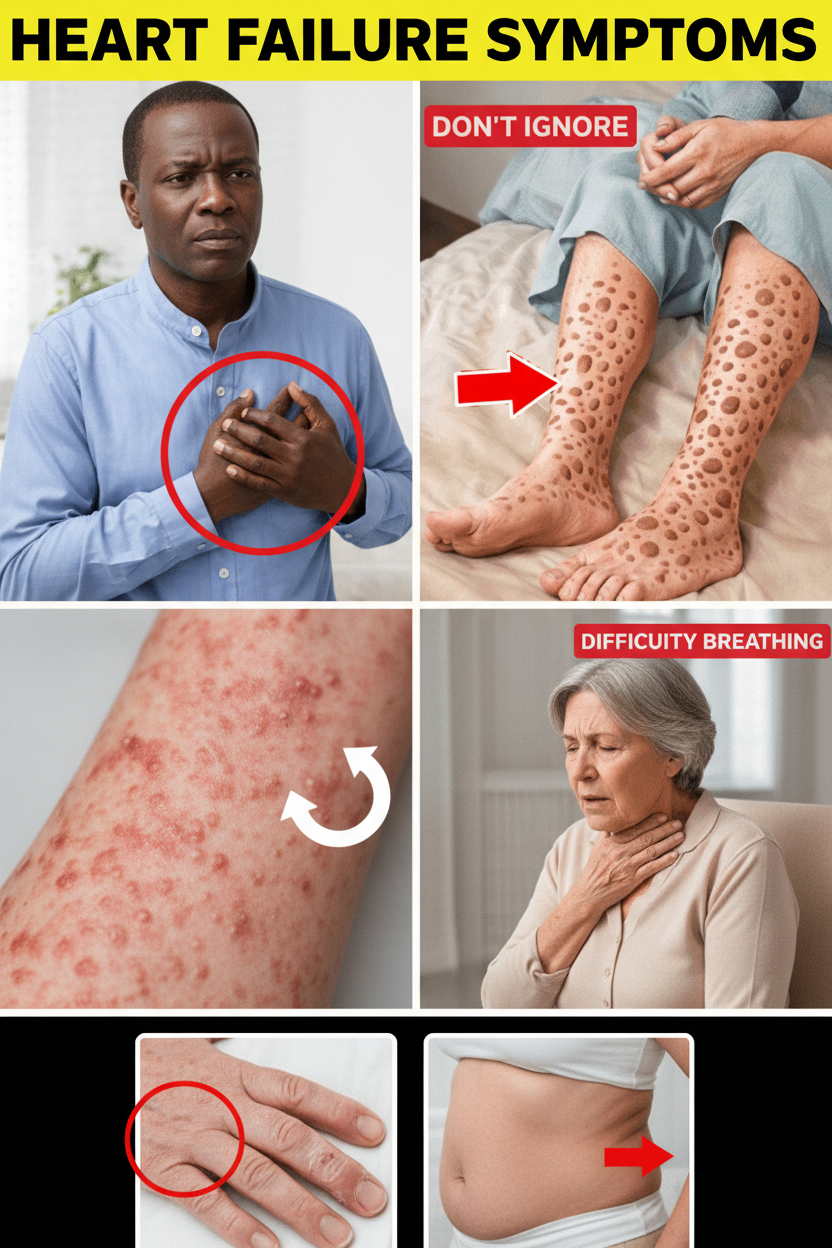
8. Cold Sweats, Nausea, or Vomiting Without an Obvious Cause
The sudden onset of clammy skin accompanied by nausea, sometimes with pain resembling indigestion. These non-specific symptoms are particularly common in women and individuals with diabetes experiencing a cardiac event.
Why it’s often ignored: These symptoms are often misdiagnosed as a “stomach bug” or “food poisoning,” leading to delayed treatment for a potentially serious heart problem.
9. Unexplained Weight Gain or Sudden Weight Loss
A rapid increase in weight due to fluid retention, a hallmark of worsening heart failure. Conversely, unexplained significant weight loss (cachexia) can occur in advanced stages due to poor appetite and metabolic changes.
Why it’s often ignored: These changes are commonly attributed to “dietary fluctuations” or “stress,” masking their potential cardiac significance.
10. Persistent Cough or Wheezing, Especially When Lying Down
A chronic dry or productive cough, sometimes accompanied by wheezing, that tends to worsen at night or when reclining. This can be a sign of fluid buildup in the lungs from an inefficient heart.
Why it’s often ignored: This persistent cough is frequently misdiagnosed as “allergies,” a common “cold,” or “acid reflux,” delaying the identification of heart-related causes.
7 Immediate, Evidence-Based Tips to Protect Your Heart NOW!
Taking proactive steps for your heart health is paramount. Here are seven actionable, evidence-based strategies you can implement today to safeguard your cardiovascular well-being:
1. Know Your Key Health Numbers
It’s crucial to get regular check-ups to monitor your vital cardiovascular metrics. Ensure you know your current blood pressure, cholesterol levels (LDL, HDL, triglycerides), blood sugar (HbA1c), and BMI/waist circumference. Elevated readings in any of these areas are silent risk factors that significantly increase your susceptibility to heart disease.
2. Engage in Brisk Walking for 20–40 Minutes Daily
Even moderate levels of physical activity can dramatically improve heart health. Aim for at least 150 minutes of brisk walking per week. This simple habit enhances endothelial function, helps lower blood pressure, reduces systemic inflammation, and strengthens your heart muscle, improving overall cardiac efficiency.
3. Adopt a Mediterranean-Style Diet
Widely recognized as the most heart-protective eating pattern, the Mediterranean diet emphasizes whole, unprocessed foods. Prioritize extra-virgin olive oil, fatty fish (like salmon and sardines), nuts and seeds, berries, leafy green vegetables, legumes, and whole grains. Conversely, limit your intake of processed meats, sugary beverages, refined carbohydrates, and trans fats.
4. Quit Smoking/Vaping and Moderate Alcohol Consumption
Every cigarette or vape puff inflicts damage on your blood vessels. Quitting smoking can reduce your risk of a heart attack by a remarkable 50% within just one year. For alcohol, adhere to recommended limits: no more than one drink per day for women and up to two for men (ideally, less is always better for heart health).
5. Prioritize Stress Management and Quality Sleep
Chronic stress elevates cortisol levels, leading to increased blood pressure and inflammation, both detrimental to heart health. Strive for 7–9 hours of quality sleep nightly. Incorporate daily stress-reducing practices, such as 5-10 minutes of deep breathing exercises or meditation.
6. Effectively Manage Weight and Blood Sugar Levels
Achieving even a modest weight loss of 5–10% can significantly alleviate strain on your heart and substantially reduce your risk of developing diabetes, a major driver of cardiovascular disease. Consistent management of blood sugar is critical for long-term heart health.
7. Get Proactive Screenings (Don’t Wait for Symptoms)
For men aged 45 and older, and women aged 55 and older (or earlier if you have significant risk factors), engage in a conversation with your doctor about advanced heart screenings. These may include a coronary calcium scan, a stress test, or an advanced lipid panel. Beyond these, ensure you have an annual blood pressure check, a lipid panel, and an HbA1c test as part of your routine preventative care.