 By admin
 Your Guide to Early Detection: Recognizing Breast Cancer Warning Signs
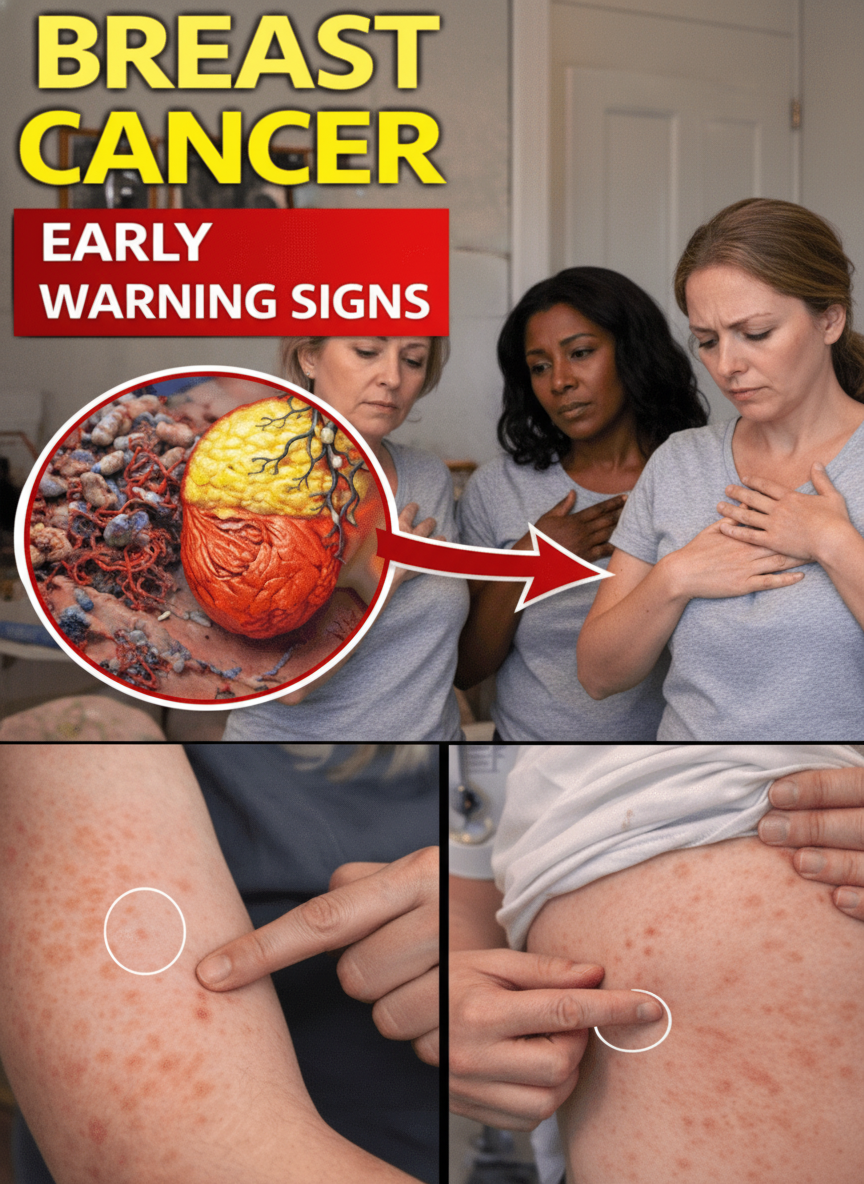
Imagine a tiny change in your body—barely noticeable, yet potentially life-altering. For many women, the subtle early signs of breast cancer are easily dismissed, often until it’s too late. With over 310,000 new invasive breast cancer cases projected annually in the U.S., early detection isn’t just a recommendation; it’s a lifeline. Ignoring these crucial signals can lead to more aggressive and complex treatments. But here’s the empowering truth: recognizing these 10 warning signs can dramatically improve your chances of successful treatment and survival.
Warning Sign 1: A New Lump or Mass in the Breast or Underarm
What to look for: A hard, irregular, and often painless lump. It might feel different from surrounding tissue. Why it matters: This is the most common sign. Early detection significantly boosts treatment success. Action step: Perform regular self-checks and consult a doctor immediately if you find anything unusual.
Warning Sign 2: Thickening or Swelling of Part of the Breast
What to look for: Unexplained firmness, swelling, or a noticeable difference in size or texture compared to the rest of the breast. Why it matters: This could indicate a tumor growing beneath the surface, affecting the breast tissue. Action step: Observe how your breasts feel at different times of the month; persistent changes warrant attention.
Warning Sign 3: Skin Changes Like Dimpling or Orange-Peel Texture (Peau d’orange)
What to look for: Skin that appears puckered, dimpled, or resembles an orange peel. Why it matters: This can occur when tumors pull on ligaments within the breast or block lymphatic drainage. Action step: Use a mirror to regularly check your breasts for any visible skin alterations.
Warning Sign 4: Redness, Irritation, or Flaky Skin on the Breast or Nipple
What to look for: Persistent red patches, irritation, or flaky skin, especially around the nipple. Why it matters: While often mistaken for simple irritation, these symptoms can signal inflammatory breast cancer or Paget’s disease of the nipple. Action step: If irritation lasts more than a week, get it checked by a healthcare professional.
Warning Sign 5: Nipple Retraction or Inversion
What to look for: A nipple that suddenly pulls inward or changes its direction. Why it matters: Tumors growing behind the nipple can cause it to retract by pulling on the underlying ducts. Action step: Pay attention to nipple symmetry during self-exams; any new inversion is a red flag.
Warning Sign 6: Nipple Discharge That’s Not Milk
What to look for: Any unexpected discharge, particularly if it’s clear, bloody, or occurs without squeezing the nipple. Why it matters: Such discharge can indicate a tumor blocking or irritating the ducts. Action step: Do not dismiss unusual nipple discharge; seek immediate medical evaluation.
Warning Sign 7: Persistent Breast or Nipple Pain
What to look for: Localized pain or tenderness in the breast or nipple that doesn’t go away and isn’t related to your menstrual cycle. Why it matters: While not all breast cancers cause pain, persistent, unexplained discomfort can be a sign of an underlying issue. Action step: Monitor the duration and intensity of any pain; consult your doctor if it persists.
Warning Sign 8: Swelling of All or Part of a Breast (Without a Distinct Lump)
What to look for: A general enlargement, feeling of heaviness, or fullness in one breast that differs from the other. Why it matters: This can be a sign of inflammatory breast cancer or a large, diffuse tumor. Action step: Regularly observe your breasts for overall symmetry and any changes in volume or contour.
Warning Sign 9: Enlarged Lymph Nodes in the Armpit or Around the Collarbone
What to look for: A noticeable lump or swelling in your armpit (axillary lymph nodes) or above your collarbone. Why it matters: This often indicates that cancer cells have spread from the breast to the lymph nodes, suggesting a more advanced stage. Action step: Gently feel these areas during self-exams; any new, persistent swelling should be checked.
Warning Sign 10: Changes in Breast Size or Shape
What to look for: One breast becoming noticeably larger, smaller, or developing a different contour or asymmetry that wasn’t previously present. Why it matters: Tumors can alter the internal structure of the breast, leading to visible changes in its overall form. Action step: Compare your breasts in a mirror from different angles, both with arms raised and lowered.
Your Health, Your Power
Understanding these 10 warning signs is your first line of defense against breast cancer. Remember, early detection isn’t about fear; it’s about empowerment and proactive health management. If you notice any of these changes, don’t delay. Consult your doctor promptly. Regular self-awareness, clinical breast exams, and mammograms (as recommended) are crucial steps that could save your life. Be vigilant, be informed, and take charge of your breast health.